
What Every Homeowner, Designer, and Developer Should Know
Lighting plays a defining role in how a space feels — but in a city like Dubai, where design expectations are high and timelines are tight, buying lighting can quickly become more complicated than expected.
With years of experience working across residential and commercial projects in the region, we’ve identified eight key insights that can help you make better decisions — and avoid common pitfalls — when selecting lighting in Dubai.
1. Customization is Often Necessary — Not Optional
Standard fixtures don’t always suit the scale and layout of modern Dubai interiors. Whether you’re furnishing a double-height living room or a uniquely shaped corridor, customized or made-to-order lighting often provides the best results.
A reliable lighting supplier should be able to offer a broad range of options, including custom sizes, finishes, and production services when needed.

2. Climate-Ready Materials Matter
Dubai’s climate — especially the heat and humidity — can have long-term effects on lighting materials, including rust, warping, or discoloration. This is true not only for outdoor fixtures but also for interior lighting exposed to sun or condensation.
Look for materials like treated brass, powder-coated aluminum, or marine-grade finishes for extended durability in the region.

3. Certifications Are Not Just for Compliance
CE, RoHS, and other global certifications are often overlooked during the buying process — but they matter. Certified fixtures ensure safety, compatibility with local regulations, and reliability over time.
If a supplier cannot provide clear documentation of compliance, it’s best to reconsider.

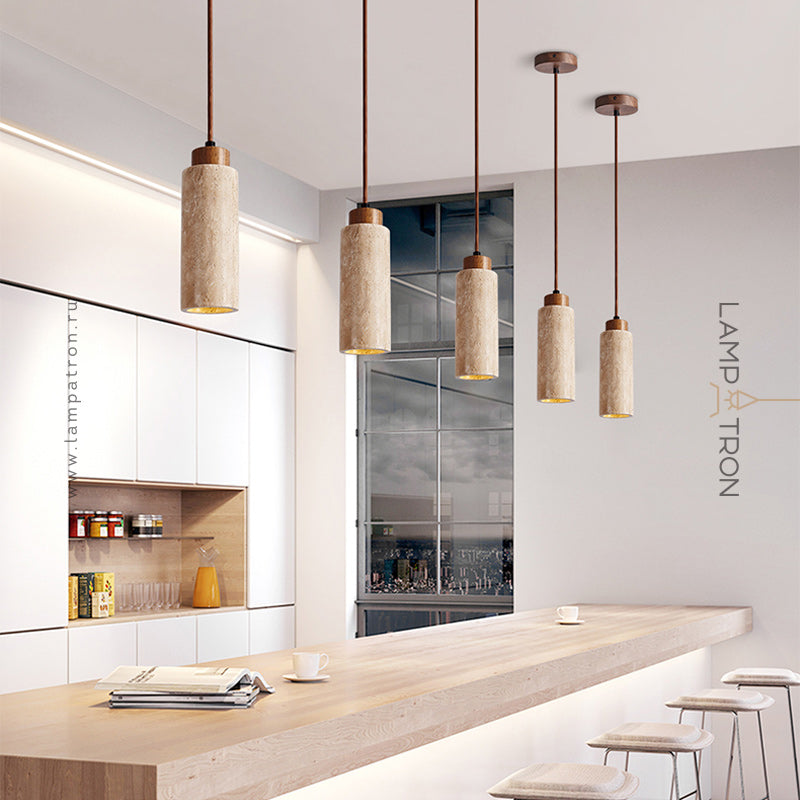
4. Layered Lighting is the Foundation of Good Design
A single source of light won’t do justice to any space. Good lighting design uses layers:
-
Ambient (general lighting)
-
Task (functional lighting for reading or cooking)
-
Accent (to highlight features or create mood)
Suppliers with design expertise can help you build these layers strategically, improving both functionality and aesthetics.
5. Smart Home Compatibility Is Often Overlooked
Lighting fixtures must be compatible with automation systems like KNX, Lutron, or Alexa — especially in new builds or high-end renovations. Some lights may appear modern but lack proper dimmability or smart controls.
A knowledgeable supplier will guide you through these requirements and help you avoid compatibility issues during installation.

6. Delivery Timelines Can Impact Entire Projects
Lighting is often one of the last elements to be installed — and delays can hold up handovers or opening dates. Some suppliers rely on third-party distributors, making timelines harder to control.
Choosing a supplier with direct factory relationships and regional logistics support significantly reduces the risk of late arrivals or missing parts.

7. After-Sales Support Should Be a Standard — Not a Bonus
Issues can arise even with the best products: damaged items in transit, installation challenges, or last-minute project changes. Unfortunately, many lighting sellers step away once the order is paid.
Look for a supplier that offers structured follow-up, shipment tracking, and responsive customer support to help you through every phase — from selection to installation.

8. Trends Are Evolving — But Substance Still Matters
Dubai’s design scene embraces modernity, but trends shift quickly. Smart lighting, minimalist design, and sustainable materials are becoming the new standard. Still, the most important elements remain: material quality, thoughtful design, and timeless form.
Rather than chasing trends, work with suppliers who curate their collections with long-term value in mind.

Closing Thought: A Good Lighting Supplier is a Long-Term Partner
Lighting is more than a product — it’s a design tool, a technical system, and a finishing detail that defines your space. The best results come from working with suppliers who understand that balance.
If you’re searching for a partner who provides broad design choice, technical precision, and dedicated project support, make sure your supplier meets the standards outlined above.
Explore local showrooms. Ask detailed questions. Request certifications. The right lighting partner will not only elevate your space — they’ll make the entire process smoother, faster, and more reliable.