
In contemporary lighting design, architectural surface-mounted fixtures hold a distinct and essential role. Positioned between bold decorative pieces like chandeliers and hidden solutions like recessed lights, these fittings offer visible, functional lighting with precision and adaptability.
Though they may seem utilitarian, their presence enhances both form and function—making them ideal for UAE villas, heritage homes, and upscale renovations where structural limits require thoughtful, surface-based solutions. Understanding their purpose, benefits, and visual impact is key to using them effectively in modern interiors.
Defining the Role of Architectural Surface-Mounted Lighting
Function Meets Form
Unlike purely ornamental fixtures, architectural fittings are performance-driven. They are designed to deliver targeted illumination, define spatial boundaries, or highlight architectural features—sometimes all at once. When such fixtures are surface-mounted, meaning attached directly to the ceiling or wall without recessing, their functionality remains uncompromised, while their physical presence becomes part of the room’s visual composition.
They are, in essence, lighting tools: precise, intentional, and expressive. Yet because they are visible—unlike recessed fixtures—they must also be aesthetically integrated into the design narrative of the room.
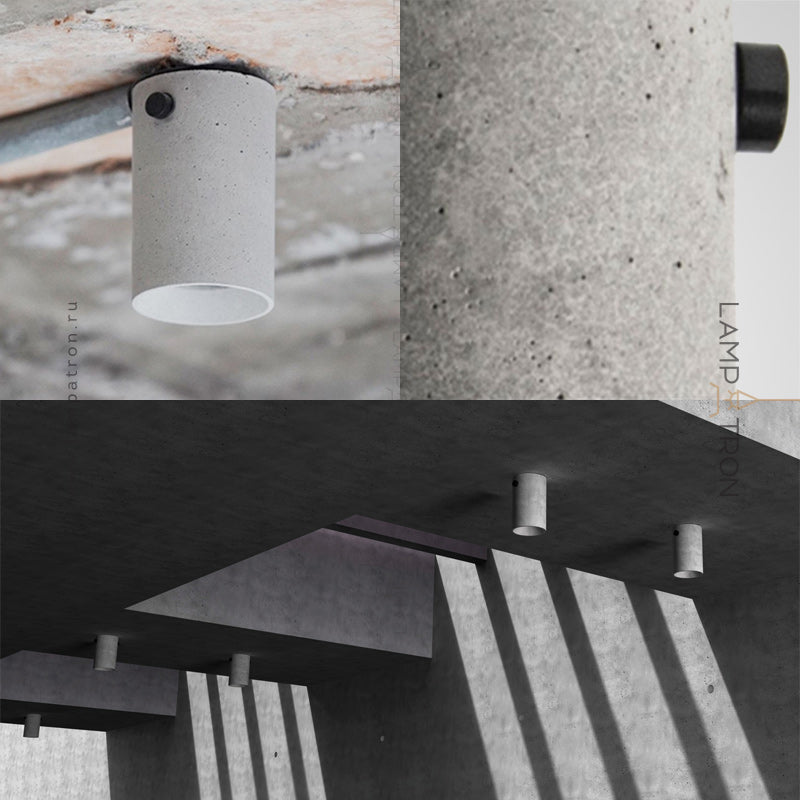
Why Choose Surface-Mounted Fittings?
Solving Practical Constraints with Precision
Surface-mounted fittings are often chosen out of necessity, particularly in spaces where recessed lighting is impractical or impossible. For example:
-
Limited ceiling voids in modern apartments or older villas can prevent the installation of recessed lights.
-
Vaulted ceilings, common in traditional Gulf architecture, offer beauty but challenge conventional lighting methods.
-
Concrete ceilings, frequently found in urban developments, may restrict the scope of recessed installation altogether.
In such cases, surface-mounted fittings become an elegant solution. A ceiling-mounted spotlight, for instance, can be adjusted to precisely light artwork, worktops, or reading areas. Track-mounted systems can provide multi-directional lighting without the need for structural alterations.
These fixtures offer versatility without compromise, making them invaluable in both new-build and heritage-sensitive renovations.
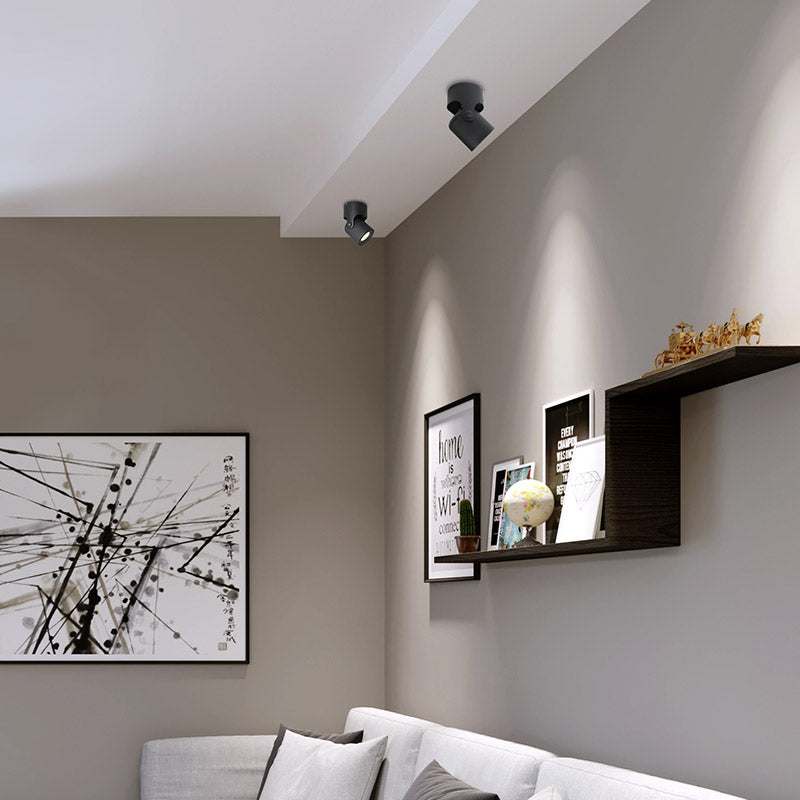
Aesthetics of Visibility: Integration Through Design
When Lighting Is Meant to Be Seen
Unlike recessed lights, surface-mounted fixtures remain fully visible—making their design just as important as any other interior element. Their form, material, and scale should be carefully chosen to align with the space’s overall aesthetic.
This visibility offers a creative edge. Whether using minimalist cylinders, industrial track heads, or sleek linear designs, surface-mounted lighting can enhance a room’s rhythm and geometry. They can blend with finishes or stand out as sculptural features.
In a refined dining space, for instance, a matte black fixture may not be traditionally decorative, but its clean lines and strategic placement above the table bring focus and understated elegance.
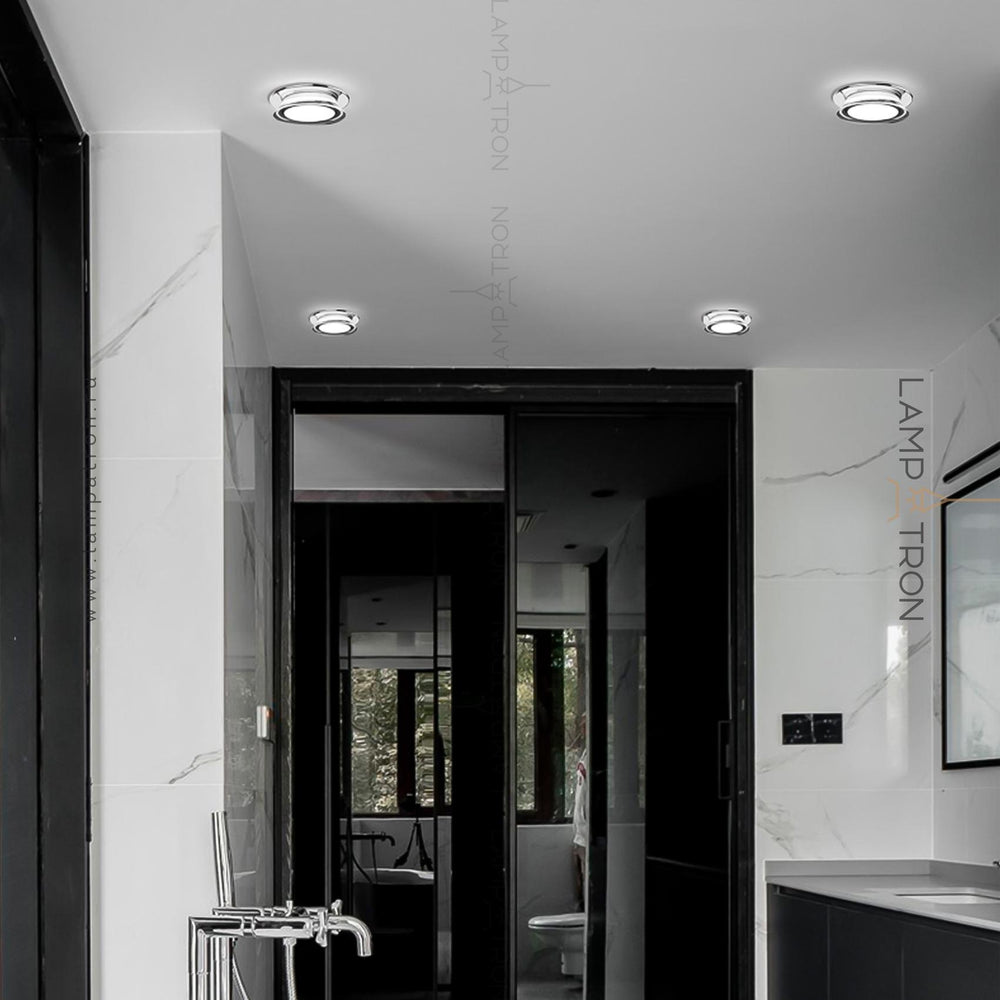
Key Considerations When Specifying Surface-Mounted Fittings
Cost, Visibility, and Strategic Value
Despite their many advantages, surface-mounted fittings demand careful planning. Here are two primary factors to consider:
-
Cost Implications: On a like-for-like basis—particularly when comparing LED fixtures with similar outputs—surface-mounted fittings can cost 25–50% more than recessed alternatives. However, this comparison doesn’t tell the full story. In many scenarios, a slightly more expensive surface-mounted luminaire can avoid the greater expense of structural alterations required for recessed options. In other words, spending more on the right fixture may save on unnecessary engineering or renovation costs.
-
Aesthetic Impact: Because they are not hidden, these fittings must be visually intentional. When carelessly selected or placed, surface-mounted lights can appear intrusive or out of context. However, when integrated with thoughtful design language, they become assets—adding rhythm, texture, and balance to ceilings and walls.
Designers should also consider color temperature consistency, fixture alignment, and beam angle control to ensure that these lights deliver both technical performance and visual sophistication.
Blending Performance with Architectural Expression
Lighting for Modern UAE Interiors
In Gulf-region interiors—where material quality, spatial elegance, and cooling efficiency are paramount—surface-mounted architectural fittings offer a forward-thinking, climate-conscious solution. They are especially valuable in high-ceilinged villas, renovated historical buildings, and urban apartments where ceiling accessibility may be limited.
Used thoughtfully, they can enhance light layering, create focal points, and support task-based lighting without disrupting the architectural envelope. More than just a practical workaround, they represent a new design language: functional lighting that complements, not competes with, the built environment.
In summary, surface-mounted architectural light fittings are not simply fallback options—they are considered, intentional tools of design. When implemented with precision and aesthetic awareness, they illuminate more than spaces—they articulate vision, enhance structure, and enrich the way we experience light in the modern home.