
Lighting, much like color, holds the transformative power to redefine a room’s ambiance. It is not merely a utilitarian element, but an emotional catalyst—an expressive medium that sculpts the spatial experience. In the world of luxury interiors, lighting has transcended its functional roots to emerge as a commanding form of art, shaping visual narratives and architectural identity alike.
The Art of Suspension: Sculptural Elegance in Midair
The Allure of Gravity-Defying Forms
Suspended lighting fixtures—especially pendant lights—offer a unique spatial presence. Neither constrained by walls nor grounded by floors, these designs hover in midair with a poised elegance, drawing the eye upward and infusing a room with visual intrigue. Whether installed in a soaring majlis or a compact dining nook, their placement evokes a sense of buoyancy that complements both expansive and intimate interiors.
While chandeliers often demand lofty ceilings, pendant lights bring similar grandeur in a more adaptable format. Their height can be finely tuned to align with ceiling proportions, making them suitable for villas, apartments, and majlis spaces across the UAE where ceiling heights can vary.
Synergy with Space: Enhancing Architecture Through Light
Design That Dialogues with Structure
Some lighting fixtures act as harmonious extensions of a space’s architectural language—following its lines, echoing its materials, or softening its edges. Others provide intentional contrast, becoming bold focal points that add depth to minimalist surroundings. This balance between synergy and statement is where pendant lights shine. Whether highlighting intricate gypsum ceiling details or drawing focus within an open-plan layout, they animate the room with both light and form.
Pendant lighting can be tailored to either role: as a central anchor or a complement to existing elements. Their refined silhouettes can echo the arches found in traditional Emirati interiors or accentuate the clean lines of modern desert villas.
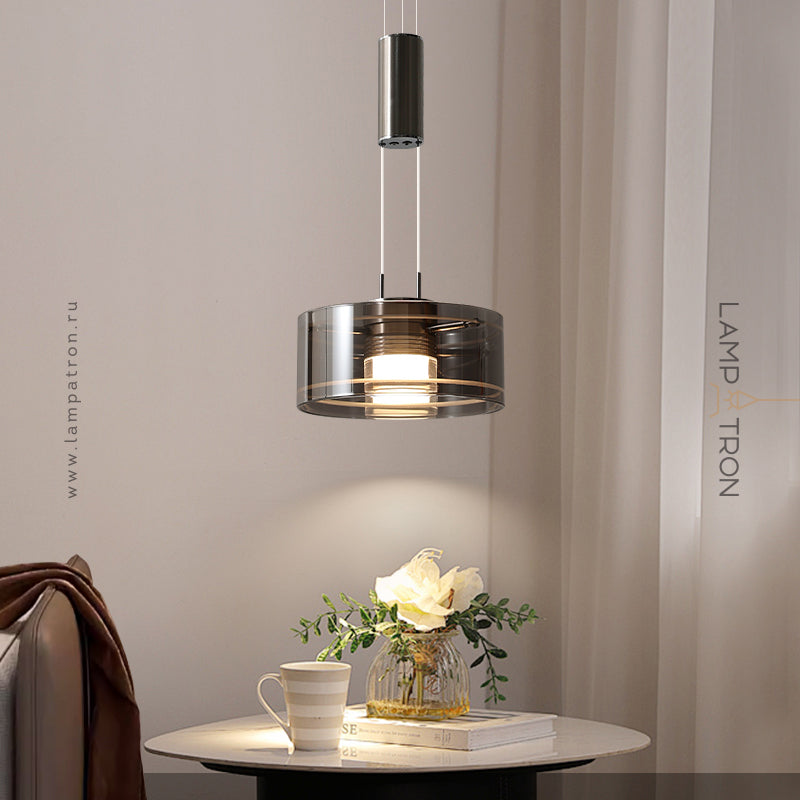
Function Meets Aesthetic: Dual-Purpose Design
Illuminating Tasks While Elevating Style
The beauty of pendant lights lies in their functional versatility. They can be used for focused task lighting—perfectly poised over kitchen islands, dining tables, or reading corners—while also serving as ambient enhancers when paired with other sources. Their ability to bridge utility with aesthetic makes them indispensable in curated interiors.
By integrating pendants with matching chandeliers or wall sconces, one can create a cohesive lighting scheme that feels thoughtfully layered. When designed with a unified material palette—be it brass, smoked glass, alabaster, or fabric—they contribute to a seamless visual rhythm across rooms.
Personality Without Clutter: Minimalism with Impact
A Quiet Boldness
Unlike bulkier lighting installations, pendant lights offer a commanding presence without overwhelming the space. This makes them ideal for interiors that prioritize openness, flow, and subtle detailing. Whether hung above a statement dining table or used to accent open shelving and curated displays, these fixtures add personality with precision.
Their minimal footprint keeps the room airy, while their sculptural quality ensures they do not fade into the background. It is a careful balance of restraint and expression—a hallmark of refined design.
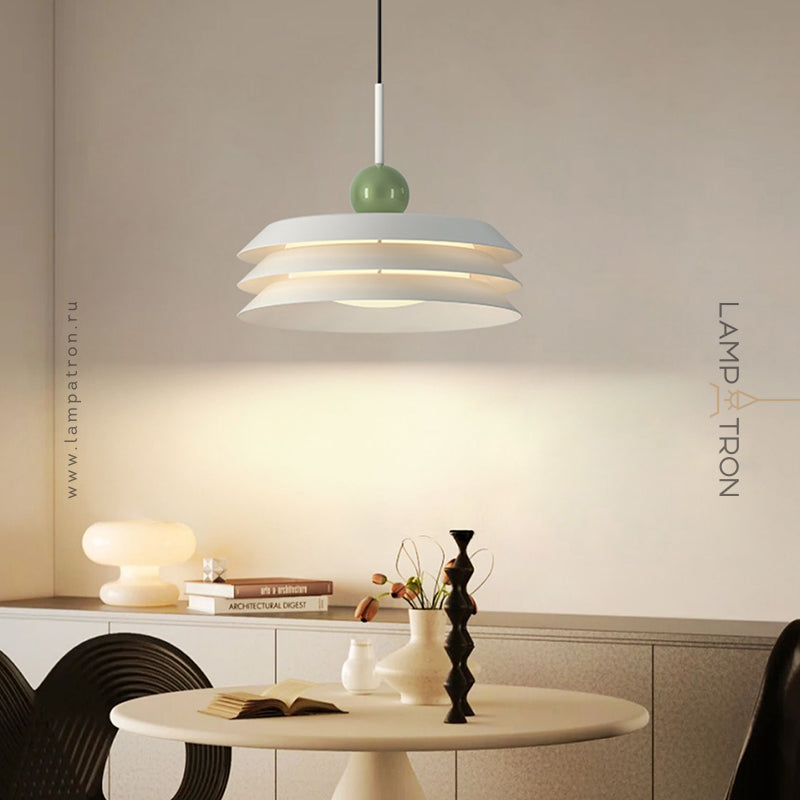
Curated Harmony: Layered Lighting for Depth
Building an Ambient Ecosystem
Pendant lighting, when integrated into a broader lighting ecosystem, enhances both the mood and the design continuity of a home. Paired with chandeliers for grandeur and wall lights for ambient texture, they contribute to a layered atmosphere that evolves throughout the day and into the night.
In the Gulf’s often sun-drenched interiors, managing light—both natural and artificial—is crucial. Thoughtfully layered lighting ensures that every room adapts to its function and time of day while maintaining aesthetic cohesion. Using luminaires that share a common design language reinforces this cohesion, from foyer to majlis, from bedroom to majlis hall.
Material Narratives: Contemporary Meets Craft
Sculpted From Simplicity
Today’s most compelling pendant lights explore materials in their purest forms—glass, ceramic, metal, rice paper—crafted into shapes that feel timeless yet forward-thinking. These designs do not chase fleeting trends; instead, they become design signatures, conveying cultural awareness and contemporary restraint.
The UAE’s evolving interior design ethos embraces this intersection of heritage and minimalism. With materials that reflect both craft and clarity, pendant lights become quiet provocateurs—designed not just for the followers of fashion, but for its curators.
In conclusion, pendant lighting is no longer just an accessory—it is an artistic gesture, a spatial strategy, and an emotional undercurrent all in one. When thoughtfully chosen and carefully positioned, it has the potential to transform a room into a gallery of light, movement, and architectural grace.