
A well-designed lighting plan is essential in open-concept homes, especially where living, dining, kitchen, and entry areas flow together. In such layouts, lighting does more than illuminate—it defines zones, sets mood, and tells a cohesive visual story.
Balancing variety with harmony across multiple fixtures can be subtle yet impactful. Below are three refined principles to guide you in mixing and matching lighting within connected spaces—perfect for modern Gulf homes undergoing construction, renovation, or style upgrades.
1. Establish Unity Through Shared Elements
Create Visual Harmony With Repeating Design Threads
To create harmony across visible light fixtures, focus on subtle repetition—not identical designs, but shared elements like finish, shape, material, or design style.
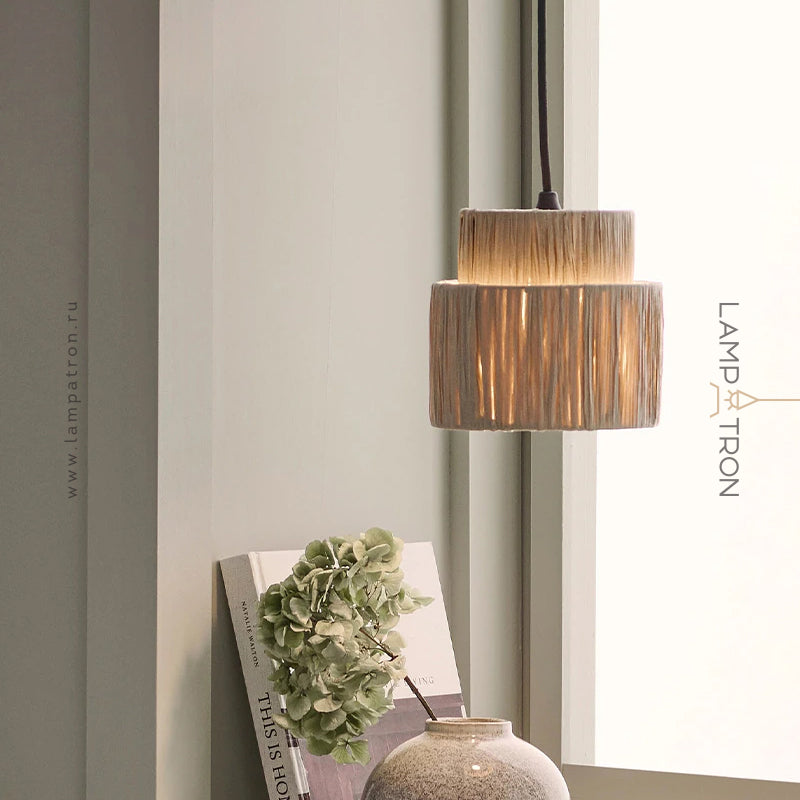
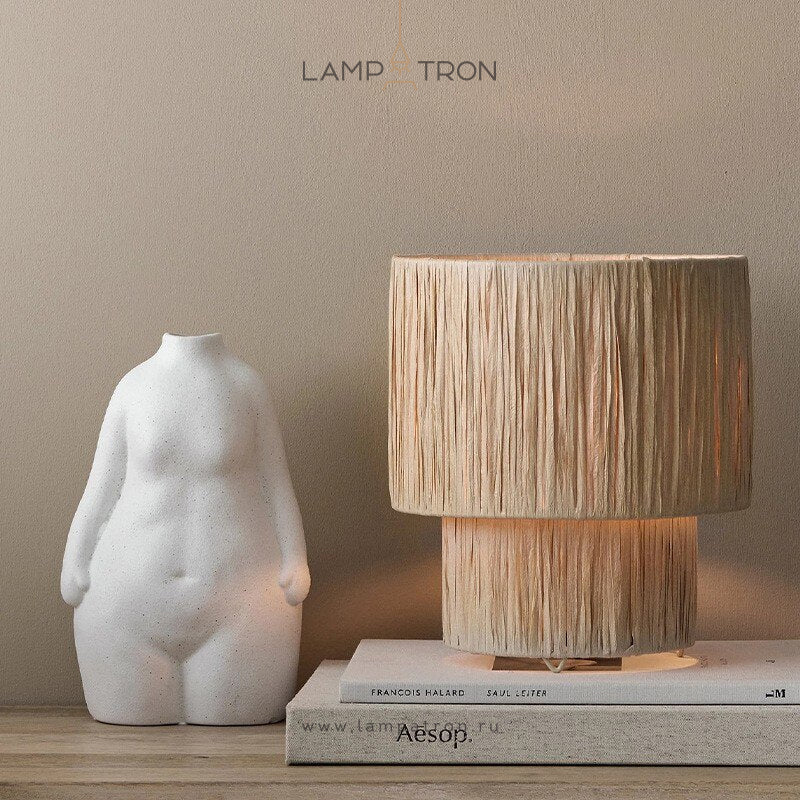
For instance, a matte black chandelier in the dining area can pair seamlessly with brushed bronze sconces in the living room if both share curving forms or handcrafted textures. Similarly, mixing fixtures made from natural materials like linen, alabaster, or rattan creates connection through tone and texture, even if the shapes vary.
This approach avoids visual clutter while letting each piece stand out—achieving a refined, cohesive look that feels curated and intentional.
2. Avoid the Repetition of Identical Collections
Break Free from Predictability for a More Custom Look
While sourcing all lighting from one collection may seem like an easy way to ensure consistency, it can actually flatten the design—especially in open-concept spaces. Over-coordination often strips a home of the layered richness that defines luxury interiors.
Instead, use favorite collections thoughtfully. A statement chandelier might anchor the dining area, while matching sconces or pendants from the same line can be used in more private spaces like bedrooms or hallways.
By avoiding exact repetition, you add character and depth—steering clear of the ‘builder basic’ look. In refined design, individuality always outweighs uniformity.
3. Embrace Contrast in Finishes, Forms, and Textures
Elevate Design with Intentional Variation
To elevate an open-plan home, embrace variety in your lighting—through style, finish, texture, and scale. Mixing metals like warm brass with cool nickel or aged bronze with black adds depth, as long as the contrast aligns with the space’s overall palette.
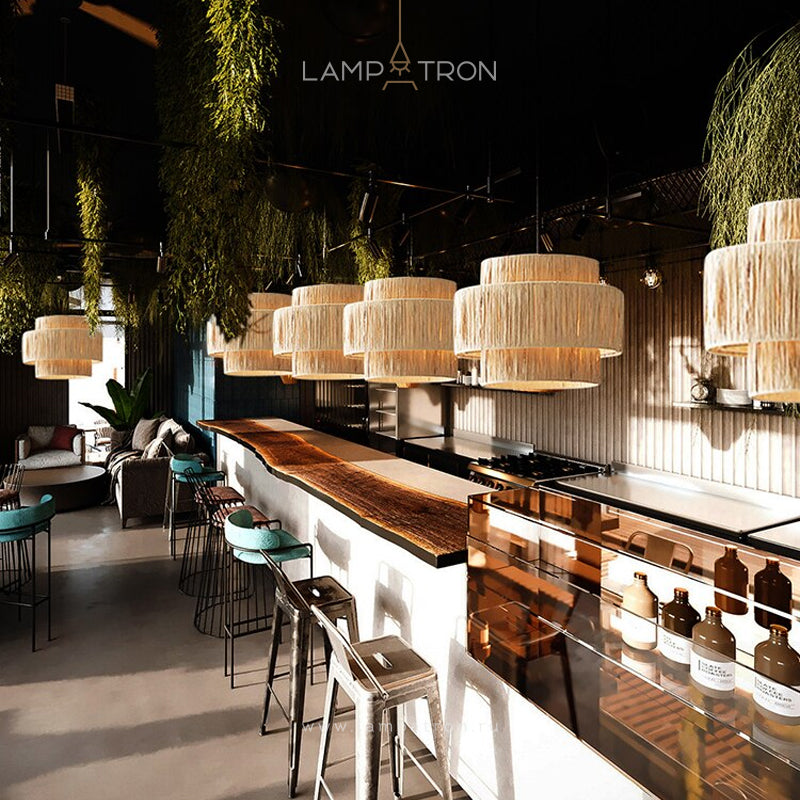
Texture also plays a vital role. A woven rattan pendant in the kitchen can pair effortlessly with alabaster sconces in a nearby hallway. Combining glass fixtures with hammered metal or fluted ceramic brings tactile richness and visual intrigue.
Vary fixture sizes to create rhythm—a bold chandelier can ground the dining area, while smaller pieces add intimacy in the kitchen or entry. This thoughtful balance enhances flow and avoids visual monotony.
In conclusion, designing with mixed lighting fixtures in open-concept environments is both an art and a science. Through the careful orchestration of shared design elements, thoughtful contrasts, and strategic placement, one can craft a layered lighting scheme that feels curated rather than chaotic. When executed well, lighting does more than illuminate—it shapes the soul of the space, offering rhythm, warmth, and refined distinction throughout the home.