
Installing a pendant light is more than a functional choice—it’s a design statement that transforms your space. In upscale UAE interiors, pendant lighting acts as a centerpiece, blending art and function.
This guide offers a step-by-step walkthrough for professionally installing a French-inspired floral pendant, tailored to complement luxury design and architectural refinement.

Preparing for a Safe and Seamless Installation
Before beginning, ensure that your space and tools are fully prepared for a smooth installation experience. A well-organized setup minimizes errors and enhances safety.
Tools and Materials Checklist
-
Power drill with appropriate bits
-
Stepladder or stable platform
-
Electrical tape
-
Wire connectors
-
Wire cutters or strippers
-
Screwdriver set
-
Pendant light mounting kit
-
Measuring tape
-
Safety gloves
-
Voltage tester (recommended for extra safety)
Understand the Fixture Before Proceeding
Every pendant light comes with a manufacturer’s guide—study it closely. Pay particular attention to the wiring scheme, fixture weight, and mounting method. This will help you avoid errors during installation and ensure a secure fit, especially with ornate or custom-designed fixtures.

Switching Off Power: A Non-Negotiable Safety Step
Before handling any electrical components, disconnect the power supply at its source.
How to Shut Off Power Safely
-
Locate your home’s main electrical panel or circuit breaker box.
-
Identify the circuit that powers the room where the installation will take place.
-
Switch off the relevant circuit breaker or remove the fuse.
-
Use a voltage tester to confirm that there is no active current in the ceiling wires.
This step is essential not just for compliance, but for personal safety and peace of mind.
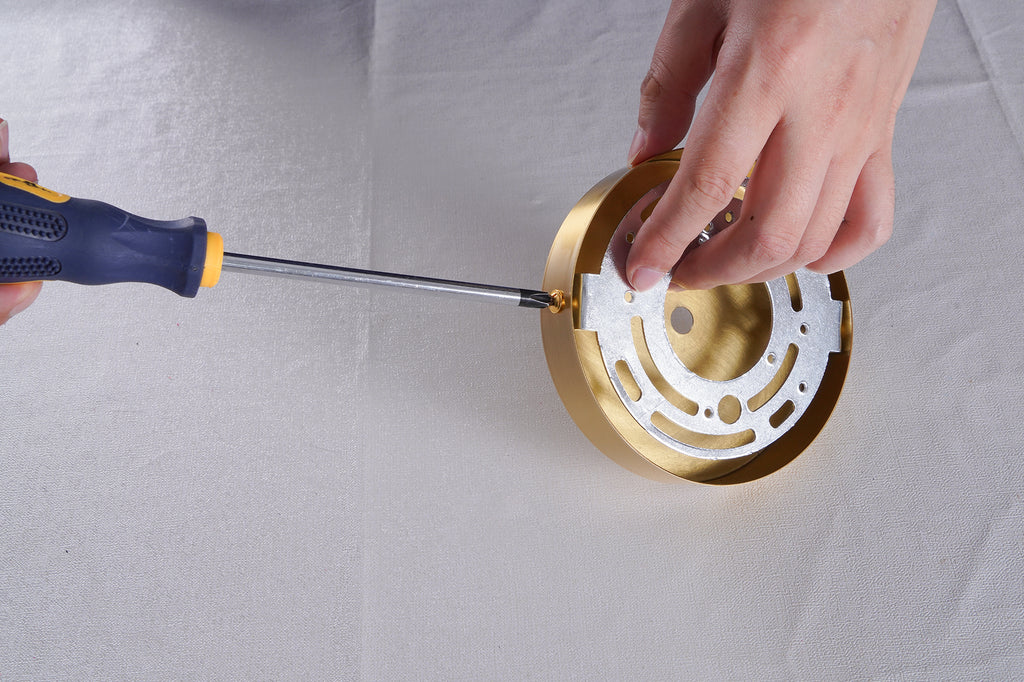
Preparing the Ceiling for Mounting
A successful pendant light installation begins with proper ceiling preparation. The fixture must be supported by a solid structure, such as a ceiling joist, especially in the case of heavier, decorative pendants.
Marking the Spot
-
Use a measuring tape to center the light in relation to furniture or architectural elements.
-
Mark the installation point with a pencil.
-
If installing above a dining table or central seating area, follow the design rule of maintaining approximately 75-90 cm of clearance from tabletop to pendant bottom.
Finding Structural Support
-
Use a stud finder or joist detector to locate a secure anchor point in the ceiling.
-
If no joist is present at the desired location, consider installing a brace or support box designed for ceiling fixtures.

Wiring the Fixture: Precision and Care Required
This phase involves connecting the electrical wires from the ceiling to those of the pendant light fixture.
Wiring Procedure
-
Carefully strip about ¾ inch of insulation from the ends of each ceiling wire using wire strippers.
-
Match wires according to color: typically black (live), white (neutral), and green or bare copper (ground).
-
Use wire connectors to join corresponding wires securely.
-
Wrap each connector with electrical tape for added insulation and stability.
-
Gently tuck the wires into the ceiling box to make space for the canopy or mounting plate.
Always refer to the pendant’s wiring diagram, especially if it includes dimmable features or multiple bulbs.

Securing the Pendant Light Fixture
With the wiring complete, you can now mount the pendant light to the ceiling.
Mounting and Alignment
-
Raise the fixture and align it with the mounting bracket or canopy plate.
-
Use the included screws or locking hardware to attach the fixture to the ceiling bracket.
-
Ensure all components are tightened, but do not overtighten to avoid damage.
-
Adjust the hanging cord or rod so the light sits at your preferred height, using a spirit level to verify evenness.

Testing and Final Adjustments
Now that the fixture is mounted, restore the electrical power to verify correct operation.
Conducting the Final Check
-
Switch the power back on at the circuit breaker.
-
Turn on the pendant light and observe its illumination.
-
Confirm that all bulbs or modules operate properly.
-
Make any last-minute height or angle adjustments to align with the room’s design layout.
This is the perfect moment to appreciate how the pendant interacts with ambient and task lighting in the space.
Finishing Touches and Aesthetic Integration
Once functionality is confirmed, assess the pendant light’s visual impact. Does it balance well with other elements in the room? Does the height enhance the intended focal point?
Design Considerations for the Gulf Interior
-
In Majlis settings or high-ceilinged villas, consider slightly longer suspension lengths for dramatic effect.
-
For open-plan interiors common in Emirati homes, align pendant lighting with architectural lines or transitional zones between spaces.
-
Use pendant lighting to frame key décor elements, such as art niches, coffee tables, or entry vestibules.
Conclusion: Crafting Light with Intention
Installing a pendant light is more than a mechanical task—it is the final brushstroke on your interior canvas. When executed with precision and awareness of spatial aesthetics, it elevates both function and form. Whether gracing a modern majlis, a marble-clad foyer, or a serene bedroom suite, a thoughtfully installed pendant fixture brings layered elegance to your living environment.
Always prioritize electrical safety, adhere to local regulations, and consult a licensed electrician for complex installations. By following this comprehensive guide, you are well-equipped to bring artistic illumination into your space—enhancing both its beauty and ambiance with refined mastery.