
Designing a magical, nurturing space for children starts with lighting—not just furniture or color schemes. Light sets the emotional tone, shaping how kids feel, play, and relax.
From bedtime stories under a glowing canopy to peaceful sleep beneath soft, star-like lights, the right illumination turns a room into a safe, inspiring sanctuary for wonder and growth.
The Transformative Power of Lighting in Children's Spaces
Children experience their environments in vibrant, tactile ways. Lighting, therefore, must be more than functional—it must be emotive and interactive. It nurtures their need for comfort during nighttime, energizes them during play, and supports focus during quiet learning activities. In curated children’s interiors, especially across premium Gulf homes where ambiance and aesthetic sensitivity are essential, lighting serves both a functional and psychological purpose.
Why Lighting Matters in a Child’s Room
-
Encourages Imaginative Play: Thoughtfully selected fixtures can spark storytelling, creative role-play, and visual exploration.
-
Provides Reassurance at Night: Soft lighting reduces fear of the dark, providing emotional security and promoting healthy sleep routines.
-
Supports Daily Rhythms: Layered lighting can adapt to different activities—from energizing playtime to tranquil bedtime routines.
Selecting Lighting Fixtures that Delight and Inspire
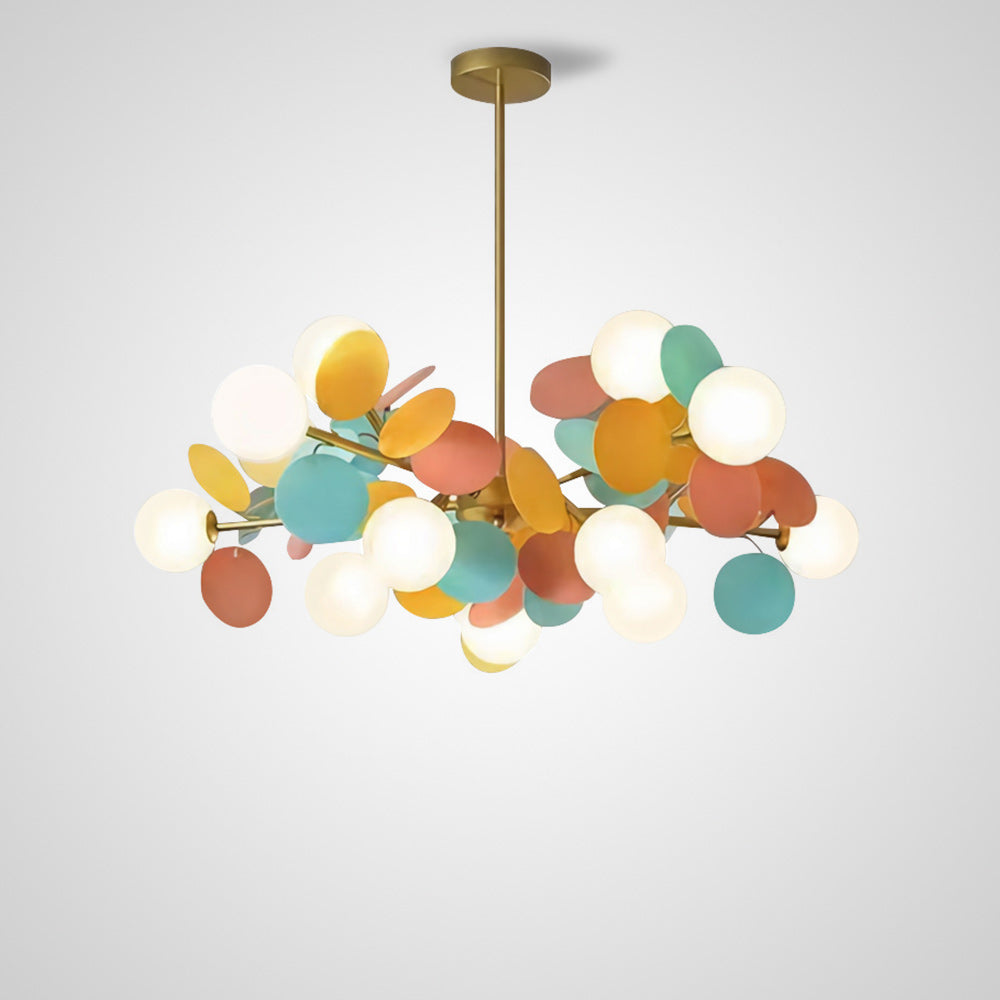
Lighting in children’s rooms must appeal to both aesthetic sensibility and playful spirit. The best designs balance whimsical motifs with gentle illumination, creating a cohesive yet dynamic space. In a region where bespoke interior detail is celebrated, children’s lighting can offer artistry and function in equal measure.
Pendant Lights: Sculptural Whimsy Overhead
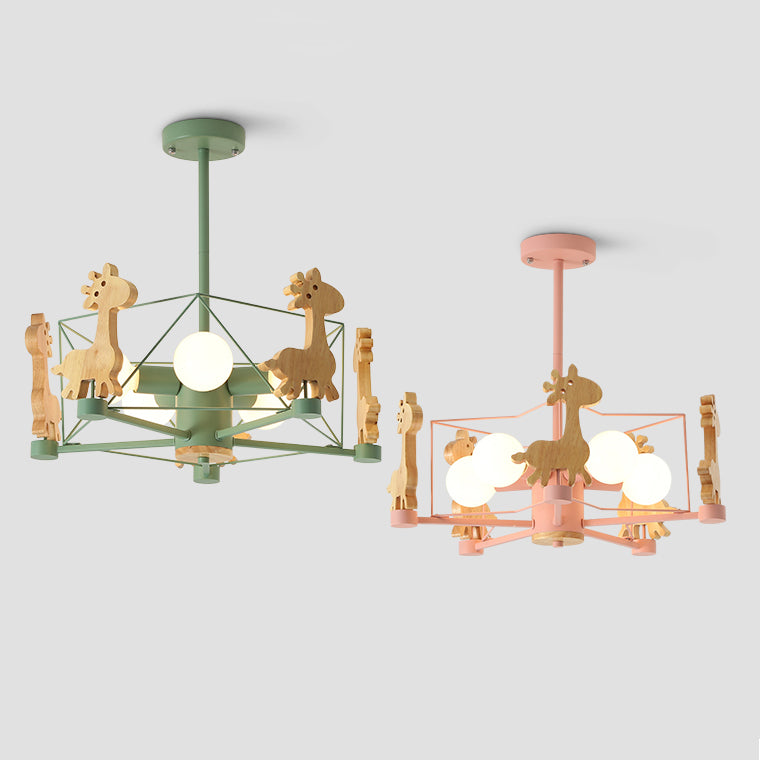
Pendant lighting introduces character and charm while serving as a primary light source. Designs shaped like clouds, moons, animals, or stars are popular choices, especially in rooms where ceiling height allows for dramatic suspension.
-
Design Tip: Choose soft-toned, matte finishes that blend with calming palettes often used in nursery and child-focused spaces.
-
Functionality: Use dimmable pendant lights to adjust brightness for different times of day or activities.
Table Lamps: Accessible and Adaptive
Placed on nightstands or study desks, table lamps offer task lighting while adding an element of intimacy. When designed with child-friendly themes—such as forest creatures, hot air balloons, or geometric pastel forms—they double as decorative art pieces.
-
Ideal For: Evening reading, homework sessions, or quiet craft time.
-
Considerations: Ensure a stable, tip-resistant base and use LED bulbs to prevent overheating.
Night Lights: Gentle Companions at Bedtime
Night lights provide low-level illumination that gently reassures without disturbing sleep. Their glow creates a cocooning effect, which is especially beneficial for younger children.
-
Features to Look For:
-
Adjustable brightness
-
Automatic timers or motion sensors
-
Plug-in or portable battery-operated versions for flexibility
-
Encouraging Personal Expression Through Lighting
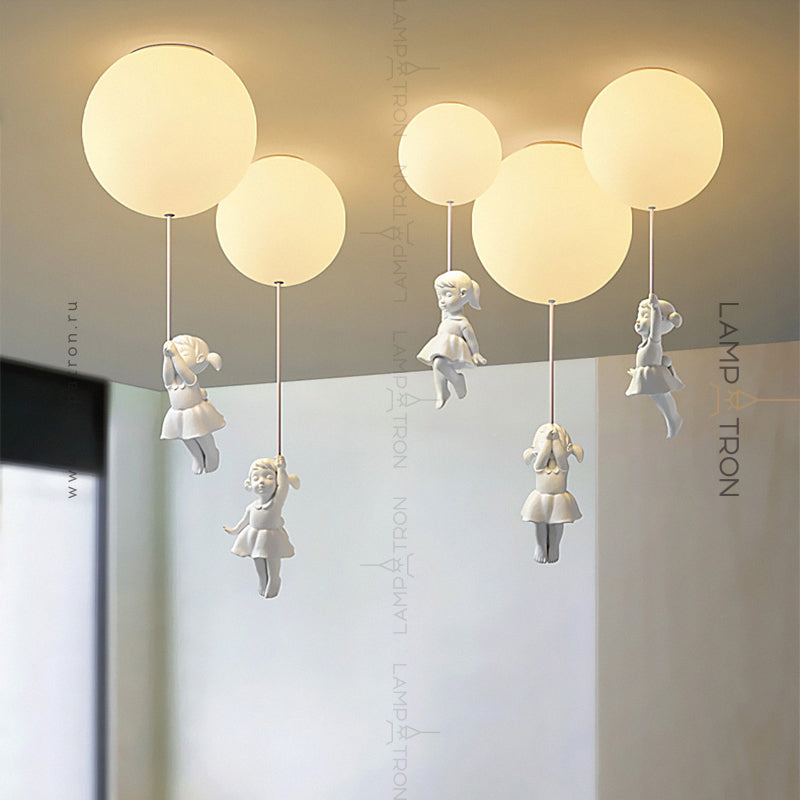
Empowering your child to participate in designing their environment fosters independence and creativity. Allowing them to choose light fixtures that reflect their interests—be it outer space, safari animals, or their favorite colour—can infuse the space with personality and promote a sense of belonging.
-
Collaborative Approach: Introduce a selection of curated options that align with the room’s theme and guide your child in making choices.
-
Cultural Consideration: Incorporate regional motifs or storybook-inspired Arabic patterns to bridge imaginative design with cultural familiarity.
Prioritizing Safety in Child-Friendly Lighting
While aesthetic and emotional value are essential, safety remains paramount—especially in spaces tailored for young children.
Key Safety Measures
-
Opt for LED Bulbs: These bulbs emit minimal heat and are energy-efficient, reducing the risk of burns and conserving power.
-
Secure Cords and Fixtures: Install fixtures high enough to stay out of reach, and conceal or anchor cords using cable management systems.
-
Shatter-Resistant Materials: Choose fixtures crafted from durable, child-safe materials such as silicone, wood, or high-quality resin.

Building Layers: Crafting a Dreamlike Atmosphere
Creating a balanced lighting plan requires layering—integrating multiple sources to accommodate various moods and needs. In luxury interiors, this approach also supports cohesive styling, allowing each layer of light to enhance architectural and decorative elements.
Layered Lighting Plan for Children’s Rooms
-
Ambient Lighting: Ceiling-mounted or pendant lights that evenly distribute light across the room.
-
Task Lighting: Table or wall-mounted lamps placed near study zones or beds for focused illumination.
-
Accent Lighting: Decorative string lights, illuminated wall decals, or projection lamps to add depth and playfulness.
-
Night Lighting: Subtle, low-level lights positioned near the bed or along pathways to the bathroom.
Designing with Purpose: Lighting as a Narrative
Children’s rooms are stories in motion. Each element—from the softness of a rug to the colour of the curtains—contributes to a sensory experience. Lighting, more than any other feature, writes the narrative of comfort, security, and wonder. In upscale Gulf interiors where storytelling through design is an art, lighting can transform a child’s room into a serene retreat that evolves with them.
Conclusion: Light as a Foundation for Comfort and Imagination
In the end, the right lighting does more than illuminate—it nurtures. It offers safety during sleep, ignites creativity during play, and brings harmony to everyday routines. Whether you're designing a nursery bathed in golden warmth or a young explorer’s room lit by starlight, thoughtful lighting choices will define the atmosphere of your child's world.
By layering light with intention and incorporating fixtures that reflect both function and fantasy, you can shape an environment where your child not only lives—but flourishes.