
Lighting is more than functional—it tells a story. When thoughtfully curated, it doesn’t just brighten a room; it reveals its character, mood, and purpose. Each fixture, from statement pendants to subtle recessed lights, plays a role in shaping the space’s visual narrative—reflecting both architectural style and personal taste.
In refined, open-concept Gulf homes, lighting must multitask. It defines zones, supports daily life, and maintains a sense of flow—without feeling forced or overly coordinated. Like art or furniture, lighting should be chosen with care and intention to elevate the entire design experience.
Begin With Purpose: Lighting as Functional Storytelling
Understand How Each Space Will Be Used
Before selecting any fixture, consider how each area will function. Do you need crisp illumination for food preparation in the kitchen? Soft, ambient lighting for dining? Task lighting for a reading nook? These answers will form the backbone of your lighting plan.
If you’re fortunate enough to be designing from the ground up, think ahead—not only about the placement of ceiling lights but also where floor or table lamps might need accessible outlets. Planning for lighting at the architectural stage allows for maximum flexibility and elegance in execution.
Curate, Don’t Coordinate: Thoughtful Selection Over Matching Sets
Avoid the “Builder Grade” Trap
While it’s tempting to purchase multiple fixtures from a single collection, this approach often leads to flat, uninspired interiors. Design excellence lies in contrast, texture, and individuality. Instead of sourcing a dining chandelier, kitchen pendants, and wall sconces from the same family, curate fixtures that share design DNA—common materials, tones, or proportions—without being identical.
For example, a natural linen drum pendant in the dining area might be beautifully complemented by blackened brass sconces in the adjacent lounge and simple glass pendants over the kitchen island. These pieces don’t match—but they speak the same design language, creating a layered, intentional feel.
This technique is especially impactful in open-concept Gulf homes, where multiple lighting elements are visible simultaneously. The goal is cohesion, not uniformity.
Establish a Visual Hierarchy: Statement vs. Supporting Roles
Let One Fixture Take Center Stage
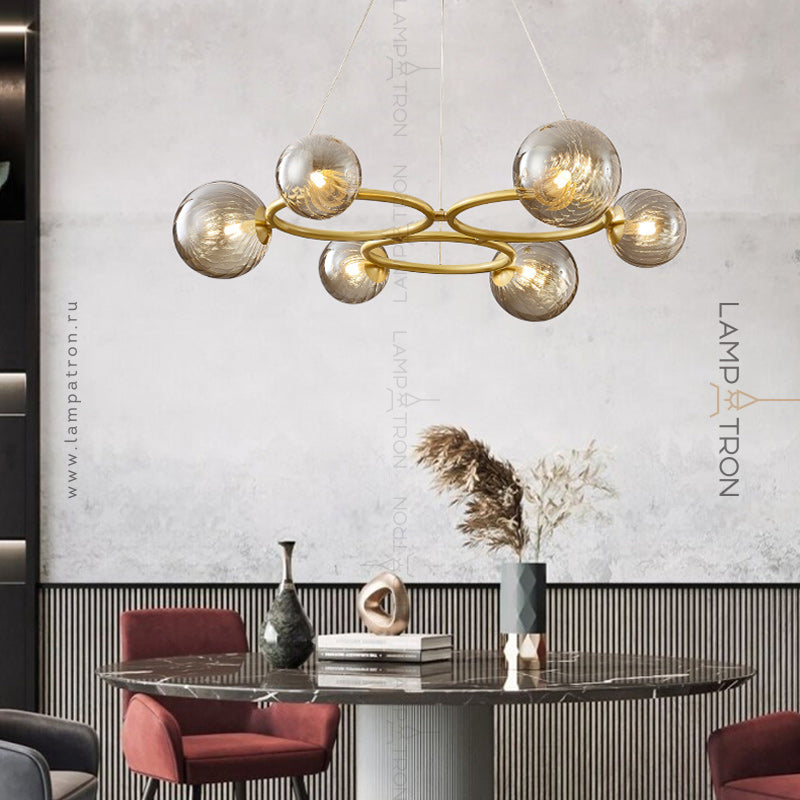
Just as in storytelling, lighting needs a protagonist. Identify the focal point of your space—the area where you want to make a bold impression—and select a statement fixture accordingly. It might be a sculptural chandelier above the dining table or a dramatic linear pendant over the kitchen island.
Once you’ve chosen your standout piece, every other fixture in the space should support and complement it, not compete. This doesn’t mean they fade into the background, but their design should echo the same tones, textures, or geometry in a quieter way.
Lighting, like good design, depends on balance. Without restraint, a room filled with competing statement pieces loses focus and coherence.
Dealing With Partial Upgrades: Building the Story Over Time
Make Strategic Choices When Replacing One Fixture at a Time
Replacing lighting all at once isn’t always practical. Often, budgets, timelines, or renovation stages require a more staggered approach. If you're only swapping out one fixture now, be honest: Will you replace the others later?
-
If yes, start by choosing your statement piece and design a plan around it. Create a vision for the other supporting fixtures to be replaced later, ensuring everything will ultimately align.
-
If no, then select your new fixture to harmonize with existing pieces. Look for shared materials (like aged brass, matte black, or alabaster), complementary forms, or similar scales to preserve cohesion.
The great advantage of today’s lighting market is its vast range of high-quality designs across diverse styles. With persistence and clarity of vision, it’s possible to find pieces that feel custom-curated to your home’s architecture and aesthetic direction.
Lighting That Reflects Who You Are
More Than Decoration
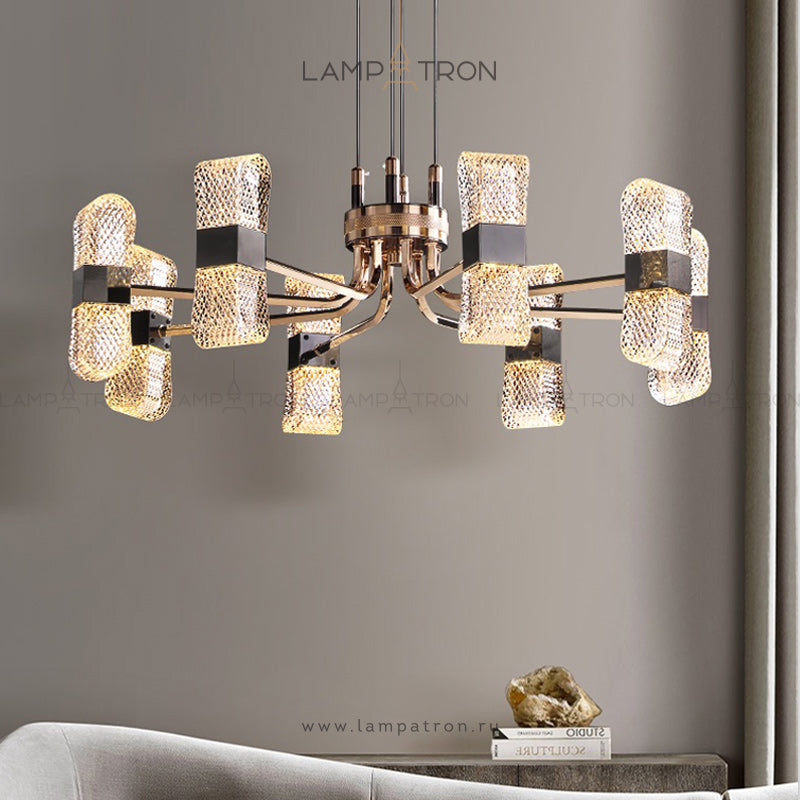
Ultimately, your home’s lighting should be an expression of you—your lifestyle, your preferences, your story. Each fixture should serve a role, whether that role is to highlight an architectural feature, illuminate a gathering space, or quietly support the overall ambiance.
Good lighting doesn’t just brighten a room—it brings it to life. It directs attention, enhances emotion, and underscores the architectural rhythm of a home. When curated with care, lighting becomes one of the most powerful storytelling tools in your design vocabulary.
In conclusion, don’t treat lighting as a checklist or afterthought. Instead, view it as an evolving narrative that unfolds across your space. Through balance, contrast, and intention, you can create a lighting scheme that feels cohesive, considered, and distinctly your own—an architectural story told not in words, but in light.