
Alabaster and marble both evoke timeless elegance, often featured in refined interiors and classical design. While they share visual sophistication, they differ greatly in origin, composition, and use.
Understanding these distinctions is key when choosing materials—especially in the UAE, where luxury design blends craftsmanship, culture, and modern opulence. This guide helps clarify which material best suits your high-end lighting and interior vision.
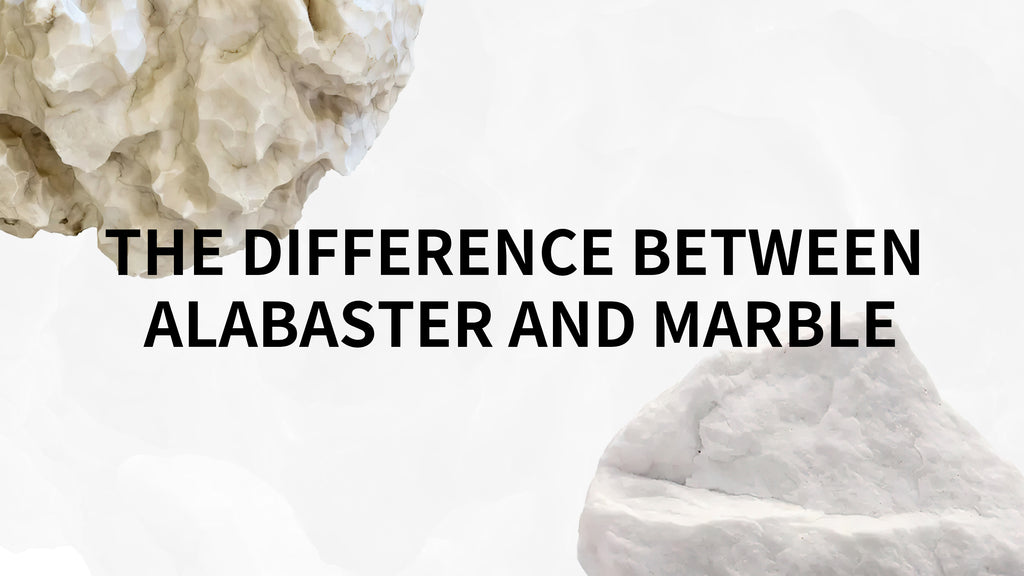
Understanding Alabaster: Translucent Softness with Artistic Appeal
Alabaster is a fine-grained, sedimentary stone composed primarily of gypsum or calcite, celebrated for its luminescent quality and artisanal workability. Throughout ancient civilizations—from Pharaonic Egypt to Greco-Roman temples—alabaster has been esteemed for its delicate translucency and tactile softness, making it a preferred medium for ornamental carvings and ambient lighting elements.
Notable Features of Alabaster
-
Translucency: Alabaster’s semi-translucent surface allows it to diffuse light beautifully, resulting in a soft, ethereal glow. This quality makes it particularly suitable for lighting designs that prioritize atmospheric warmth.
-
Softness and Workability: Ranking at approximately 2 on the Mohs hardness scale, alabaster is exceptionally easy to carve. Its pliability enables intricate detailing, but also requires careful handling and placement in low-impact areas.
-
Color Variants: Naturally occurring in whites, creams, warm pinks, and subtle browns, alabaster’s gentle coloration often includes subtle veining or cloud-like patterns, adding organic texture to each piece.
-
Vulnerability: Despite its visual appeal, alabaster is sensitive to scratching, moisture, and acidic substances. Its softness limits its functionality in high-traffic or exposed environments.
Common Applications of Alabaster
-
Illuminated Elements: Its light-diffusing properties make alabaster a premier choice for wall sconces, pendant lamps, and backlit panels—especially in settings where ambient lighting is desired.
-
Sculptural Works: Favoured by classical and contemporary sculptors alike, alabaster’s malleability allows for refined figurative and ornamental pieces.
-
Decor Accents: Alabaster is used in decorative bowls, vases, and boxes that bring a natural yet luxurious presence to interiors.

Exploring Marble: Crystalline Strength with Classical Elegance
Marble is a metamorphic rock, formed when limestone undergoes immense geological pressure and heat, resulting in its distinctive crystalline structure. Prized since antiquity for its grandeur and permanence, marble graces everything from the Taj Mahal’s white façade to the cool flooring of palatial Gulf residences. Its textural richness and ability to take a high polish render it a mainstay in both architectural and decorative applications.
Key Attributes of Marble
-
Visual Complexity: Characterized by distinctive veining patterns and a diverse palette—ranging from stark white and charcoal black to soft greens, dusty pinks, and deep blues—marble delivers visual drama and variety.
-
Durability: With a Mohs hardness rating between 3 and 4, marble offers considerably more resilience than alabaster, making it suitable for functional surfaces such as countertops, floors, and architectural features.
-
Cool Sensation: Naturally cool to the touch, marble is particularly well-suited for warmer climates like the UAE’s, offering physical comfort and thermal balance underfoot.
-
Polished Finish: Capable of achieving a mirror-like surface, marble’s polish elevates its luxury appeal, reflecting light in a way that adds brightness and refinement to interiors.
Typical Uses of Marble
-
Surface Treatments: Frequently used for flooring, bathroom vanities, and kitchen countertops in high-end residential and commercial properties.
-
Architectural Sculptures: From column capitals to monumental sculptures, marble’s ability to withstand environmental wear makes it ideal for both interior and exterior installations.
-
Fireplace Surrounds and Mantels: Marble's heat resistance and elegance make it a favorite material for focal-point fireplaces and traditional majlis design features.

Alabaster vs. Marble: How to Distinguish and Decide
Despite their aesthetic overlap, alabaster and marble offer fundamentally different characteristics, each lending itself to specific applications within design and architecture.
Comparative Overview
-
Hardness and Durability: Marble’s superior hardness makes it viable for functional, high-impact surfaces. Alabaster’s softness suits it best for decorative and ambient lighting purposes.
-
Light Interaction: Alabaster’s translucent quality allows light to pass through, ideal for mood lighting. Marble is opaque but highly reflective when polished, contributing to its visual depth.
-
Workability: Alabaster can be easily shaped into detailed forms with minimal tooling, while marble requires advanced sculptural techniques due to its density.
-
Maintenance: Alabaster is delicate, requiring protection from humidity and abrasives. Marble, although more durable, is susceptible to etching from acids and needs regular sealing.
Material Selection for Lighting Design: Contextual Choices
In lighting design—particularly within the UAE’s luxury design landscape—the choice between alabaster and marble hinges on the desired aesthetic experience and functional requirements of the space.
Alabaster in Lighting
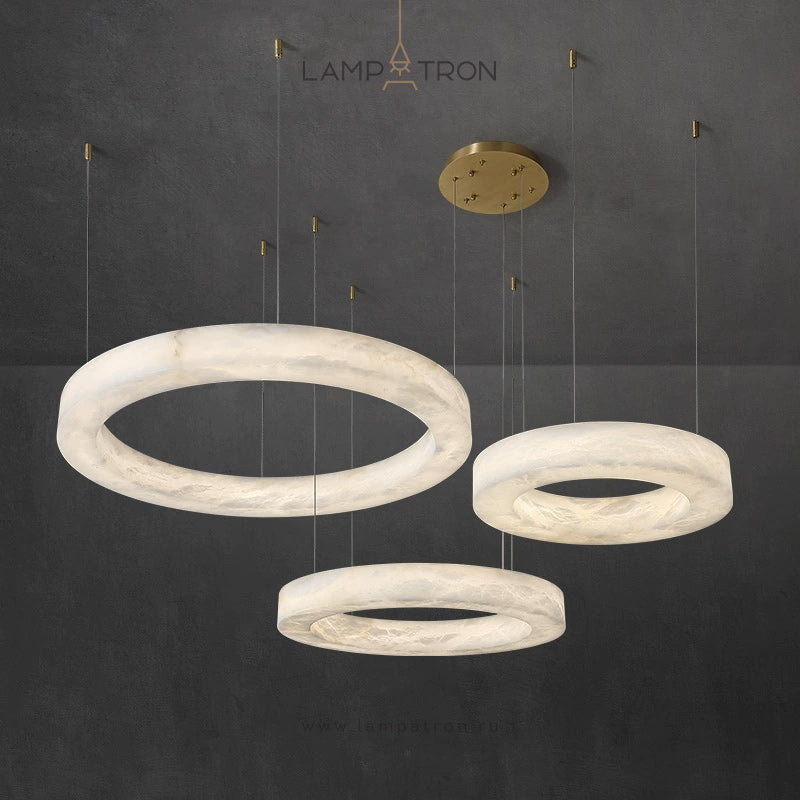
Alabaster’s ethereal translucency makes it the material of choice for lighting fixtures where atmospheric quality is paramount. When illuminated, it emits a warm, diffused glow that complements intimate spaces and adds depth to ambient lighting schemes.
-
Applications:
-
Wall Sconces and Pendant Lamps: Ideal for majlis areas, dining spaces, and bedrooms where gentle illumination enhances comfort.
-
Chandeliers with Panels or Slabs: Highlighting the natural veining of the stone, alabaster fixtures offer visual intrigue when lit from within.
-
Marble in Lighting
Though less common in light-diffusing roles, marble plays a key structural and decorative role in luxury lighting. Its opacity limits its use as a primary light source, but its visual weight and material richness contribute to the sculptural presence of a piece.
-
Applications:
-
Lamp Bases and Structural Elements: Used for table or floor lamps, where stability and visual gravitas are essential.
-
Statement Fixtures: Ideal in foyers or formal lounges, marble components in chandeliers and pendant lights convey permanence and grandeur.
-
Choosing Between Alabaster and Marble for Your Interior
The decision between alabaster and marble ultimately rests on how each material’s properties align with the design intention and functional context of the space.
-
Opt for Alabaster if the goal is to create atmospheric lighting, showcase fine craftsmanship, or add tactile softness to interiors. It works beautifully in spaces where gentle glow and decorative artistry are central to the ambiance.
-
Choose Marble where structural integrity, refined polish, and timeless luxury are required. From formal hallways to high-traffic areas, marble offers both resilience and enduring elegance.
Final Thoughts
Both alabaster and marble are steeped in cultural heritage and design legacy, offering unique tactile and visual experiences. In the UAE’s discerning design environment—where tradition meets modernity—these materials find fresh expression through bespoke lighting and architectural applications. Whether you are drawn to the soft radiance of alabaster or the commanding sophistication of marble, each stone holds the potential to transform interiors into works of enduring beauty and refined artistry.