
Ambient lighting is the quiet architect of mood, shaping how a space feels and functions. Though subtle, it sets the tone for behavior and atmosphere. In modern UAE interiors—where elegance meets utility—mastering ambient lighting is key to creating calm, balanced spaces.
This guide explores core principles, techniques, and innovations to help you turn every room into a refined, light-filled sanctuary.
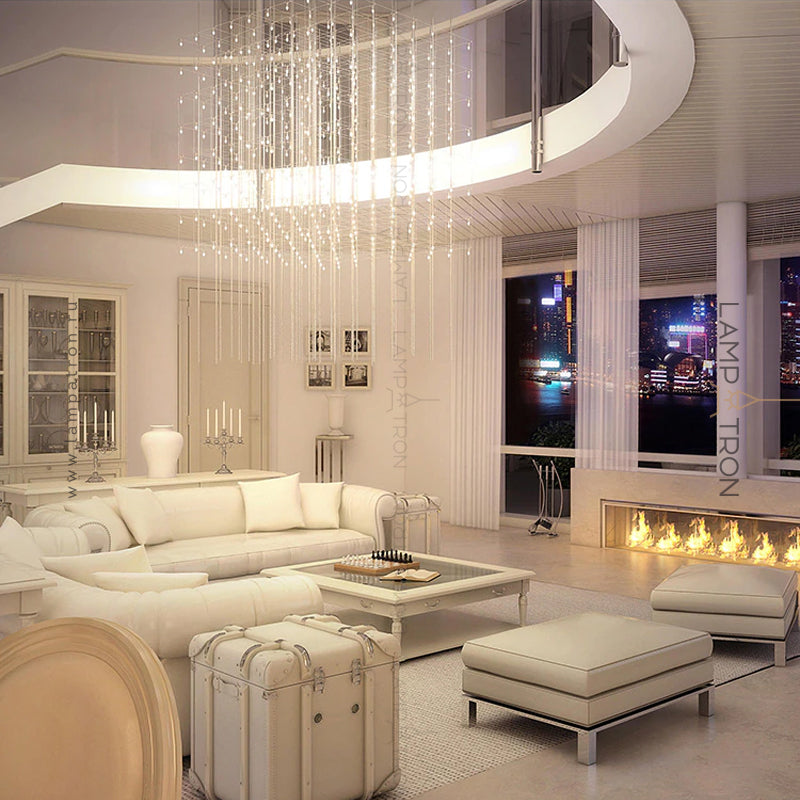
The Power of Ambient Lighting
Understanding Lighting’s Impact
Lighting is a central pillar of interior design. Beyond illumination, it shapes spatial perception, influences emotional states, and establishes the overall character of a room. Harsh or unbalanced lighting can feel disorienting, while well-executed ambient lighting promotes comfort, calm, and aesthetic coherence.
The Role of Ambient Lighting
As the foundational layer in any multi-source lighting design, ambient lighting provides overall illumination. It serves to fill the room with uniform light, enabling visibility and setting the mood without casting harsh glare or deep shadows. From a design perspective, it lays the groundwork upon which task and accent lighting are built.
Setting the Scene
Imagine a softly lit living room that invites conversation and relaxation, or a kitchen bathed in warm light that enhances both functionality and conviviality. The subtle influence of ambient lighting can evoke luxury in a grand Majlis or create intimacy in a cozy bedroom. It is this versatility that makes ambient lighting so indispensable in interior design.
The Fundamentals of Ambient Lighting
What Is Ambient Lighting?
Ambient lighting, often referred to as general lighting, is the primary source of illumination in a room. It provides overall visibility and ensures a uniform light level throughout the space. It should be diffused and well-distributed, never directional or focused, creating a gentle and natural sense of brightness.
Ambient vs. Task and Accent Lighting
To create a complete lighting scheme, three types of lighting work in concert:
-
Ambient lighting: Broad, diffused light for general visibility
-
Task lighting: Focused light for specific activities like reading or cooking
-
Accent lighting: Decorative or directional light used to highlight features or add drama
Balancing these three layers ensures both function and aesthetics are fully addressed.
The Science Behind Light
Human response to lighting is rooted in biology. Exposure to different intensities and temperatures of light can regulate sleep cycles, mood, and focus. Soft, warm ambient light (around 2700K–3000K) promotes relaxation, while cooler temperatures (3500K–4000K) are energizing and ideal for active zones like kitchens or workspaces.
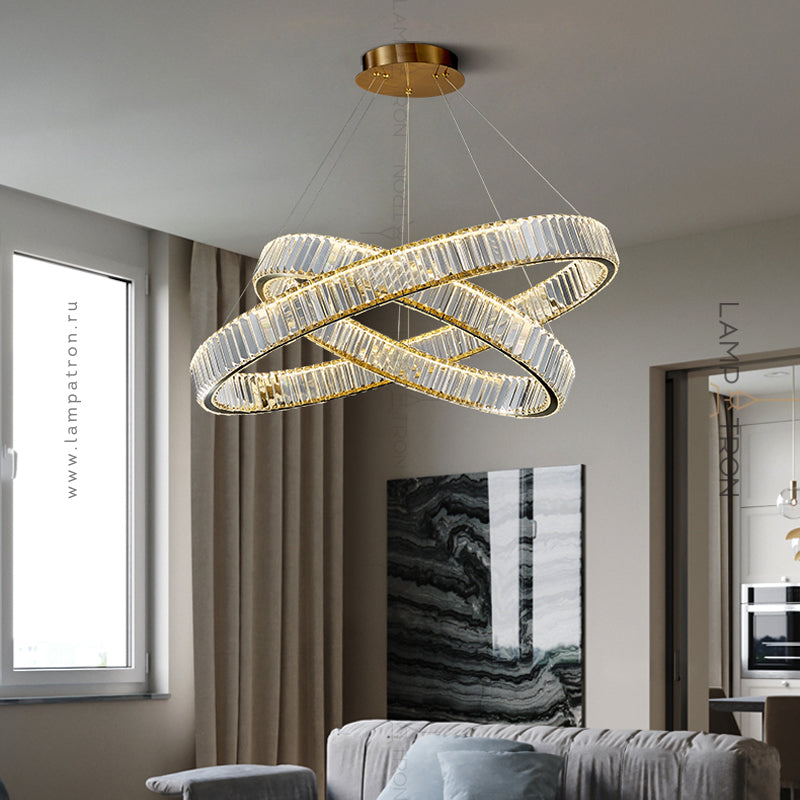
Creating the Right Ambiance in Different Rooms
Living Room
Ambient lighting in a living room should be flexible and warm. Consider layering ceiling-mounted fixtures with floor lamps to provide a comforting glow. Dimmers are particularly useful here to adjust brightness depending on the activity—whether entertaining guests or watching a film.
Bedroom
A serene bedroom begins with soft, enveloping ambient light. Avoid harsh overheads; instead, opt for ceiling fixtures with diffusers, bedside lamps, or indirect lighting behind headboards. The aim is to foster tranquility and prepare the mind for rest.
Kitchen and Dining Areas
In multifunctional spaces like kitchens and dining rooms, ambient lighting must strike a balance between utility and ambiance. Recessed lights, pendants, or linear LED fixtures work well when paired with under-cabinet task lighting. In the dining area, chandeliers or dimmable pendant lights above the table help transition the space from functional to intimate.
Bathrooms
Bathrooms require ambient lighting that is bright yet flattering. Ceiling-mounted fixtures, when combined with wall-mounted sconces, ensure uniform light without unflattering shadows. Color temperature should remain in the neutral-to-warm range (3000K–3500K) for a natural reflection in mirrors.
Home Office
In a home office, ambient lighting must support prolonged periods of concentration. Avoid overly warm light which may induce drowsiness. Instead, opt for cooler neutral white lighting (around 4000K) that promotes alertness. Combine with task lighting to prevent eye strain.
Choosing the Right Fixtures for Ambient Lighting
Ceiling Lights
Ceiling-mounted fixtures like flush mounts, recessed lights, or elegant chandeliers are classic sources of ambient light. Their wide coverage makes them ideal for dispersing light evenly across large areas.
Wall Sconces
Wall lights offer a subtle way to supplement ambient lighting, softening shadows and adding architectural interest. In hallways or transitional spaces, they can serve as both lighting and decorative elements.
Floor and Table Lamps
These portable fixtures add flexibility and style. They are especially useful in layered lighting schemes, allowing occupants to modify the ambient tone without relying solely on overhead lighting.
Smart Lighting Solutions
Smart bulbs, dimmable fixtures, and voice-controlled lighting systems allow for unparalleled flexibility. These systems are ideal for UAE residents who seek to integrate technology into sophisticated living spaces while managing lighting according to time of day, activity, or mood.
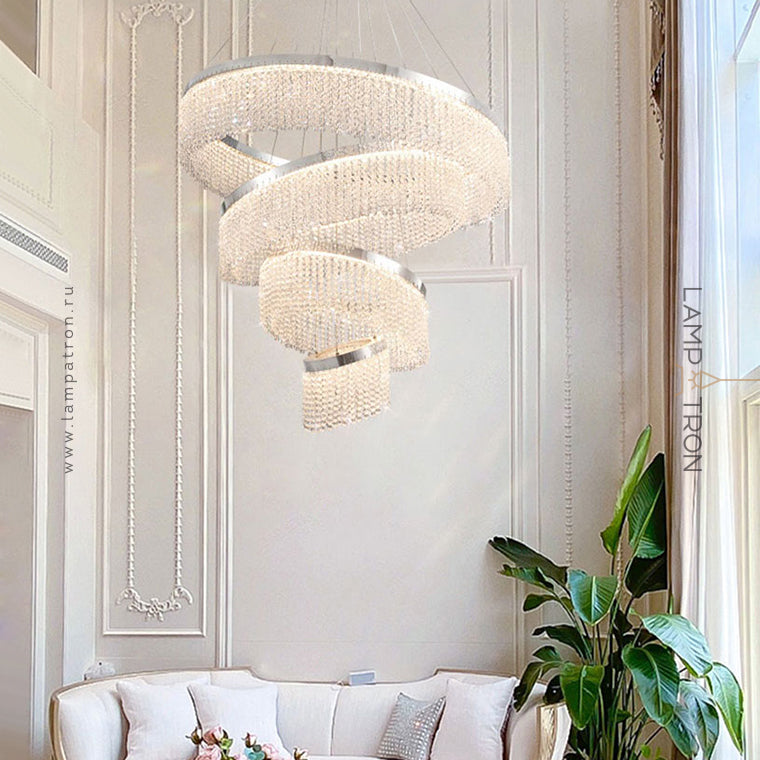
Light Sources and Their Effects
LEDs
LEDs dominate contemporary lighting due to their energy efficiency, low heat output, and versatility. They are available in a broad spectrum of brightness levels and color temperatures, making them ideal for ambient lighting applications in all settings.
Incandescent vs. Fluorescent
While incandescent bulbs provide warm, flattering light, their short lifespan and high energy consumption make them less practical. Fluorescents are more efficient but often lack the aesthetic quality desired in premium interiors. LEDs remain the most adaptive and sustainable choice.
Adjusting Light Temperature
Color temperature directly affects ambiance. Use warm light (2700K–3000K) for bedrooms and lounges, neutral white (3000K–4000K) for kitchens and offices, and cooler tones (4000K–5000K) sparingly in utility areas where clarity is essential.
The Importance of Dimmer Switches
Dimmers offer control over mood and energy usage. In multi-purpose spaces, they allow seamless transitions from bright morning routines to relaxing evening settings—essential for hospitality-driven interiors in the region.
Integrating Ambient Lighting into Your Interior Design
Matching Lighting with Decor
Fixtures should not only provide light but complement the overall aesthetic. A modern interior may benefit from minimalist, geometric lighting, while a more traditional room might require ornate metalwork or artisan-crafted glass pendants.
Color Schemes and Lighting
Light interacts with color. Warm light deepens earth tones and creates coziness, while cooler light sharpens contrasts and brings out blues and whites. Designers must consider how lighting will affect wall finishes, textiles, and furnishings.
Material Choices
The materials used in lighting fixtures affect diffusion and warmth. Fabric shades soften output, while glass adds brilliance. Metal reflects and redirects light, and frosted surfaces help scatter light evenly.
Layering Light
A sophisticated lighting scheme is always layered. Ambient lighting forms the base, supported by task and accent lighting to add dimension, contrast, and functional clarity.
Ambient Lighting for Special Occasions
Holiday Lighting
During festive seasons such as Eid or Christmas, ambient lighting can play a pivotal role in setting the mood. Soft white string lights, lanterns, and candle-inspired fixtures add warmth and intimacy to family gatherings.
Party and Event Lighting
Transforming your home for special occasions is easier with adaptable ambient lighting. Dimmable LEDs, color-changing smart bulbs, and strategic use of indirect lighting can create a celebratory atmosphere without needing dramatic changes to the space.
Seasonal Adjustments
As natural light shifts with the seasons, ambient lighting should evolve. Cooler months may call for warmer tones to maintain coziness, while the brightness of summer may allow for softer, more diffused lighting to complement natural daylight.
The Future of Ambient Lighting
Trends in Lighting Design
Emerging trends include human-centric lighting (which adapts to circadian rhythms), biophilic design (integrating natural forms and light patterns), and sustainable materials that reduce environmental impact without compromising elegance.
Smart Home Integration
With the rise of integrated home automation systems, ambient lighting can now be synchronized with temperature, music, and shading systems. This innovation enhances convenience and allows residents to curate their environment to a granular degree.
Sustainable Lighting
Energy-efficient technologies—particularly advanced LEDs—play a crucial role in reducing carbon footprints. Many modern homes in the Gulf region are incorporating solar-compatible and low-energy fixtures to align with long-term sustainability goals.
Case Studies: Successful Ambient Lighting Designs
Residential Examples
In a luxury Emirati villa, layered lighting in the Majlis might include a grand chandelier, concealed cove lighting, and floor lamps—balancing grandeur with hospitality. Bedrooms in the same residence might use backlit headboards and dimmable sconces to promote relaxation.
Commercial Spaces
Hotels and restaurants across Dubai and Abu Dhabi often rely on ambient lighting to establish brand identity and enhance guest experience. Subtle recessed lighting, wall washes, and decorative pendants are commonly used to achieve this effect.
DIY Projects
Even modest homes can benefit from enhanced ambient lighting. Simple upgrades like installing dimmer switches, replacing bulbs with higher-CRI LEDs, or adding a floor lamp with a fabric shade can dramatically improve mood and ambiance.
Practical Tips and Recommendations
Finding Your Style
Identify whether your interior leans modern, rustic, minimalistic, or eclectic. Then, choose ambient lighting that aligns with your design language—be it sculptural fixtures, simple geometric forms, or layered vintage elements.
Common Mistakes to Avoid
-
Over-reliance on a single light source
-
Mismatched color temperatures within the same space
-
Ignoring dimming capabilities
-
Disregarding the interplay between lighting and décor elements
Shopping for Lighting
When purchasing ambient lighting fixtures:
-
Prioritize quality over quantity
-
Consider long-term energy savings
-
Match fixture scale to the room size
-
Look for compatibility with dimmers and smart systems
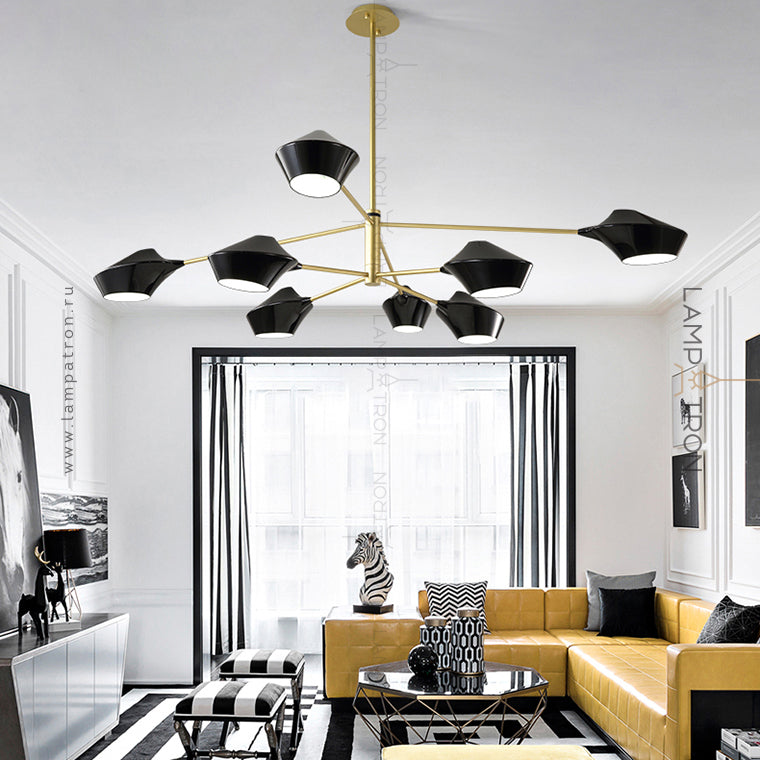
Your Path to Perfect Ambiance
Ambient lighting is not just about seeing—it's about feeling. When designed thoughtfully, it brings warmth, elegance, and harmony to a space. Whether you're illuminating a tranquil bedroom, a bustling kitchen, or an elegant salon, ambient light sets the emotional and aesthetic tone.
By mastering the fundamentals, experimenting with fixtures and placement, and embracing smart, sustainable technologies, you can transform every room into a sanctuary of light. Ambient lighting is the subtle, powerful tool that allows architecture and emotion to intersect—creating spaces that inspire, comfort, and endure.