
Pendant lighting remains one of the most timeless and versatile lighting solutions in interior design. Suspended by a cord, chain, or rod, it strikes a balance between functional task lighting and decorative statement.
Its beauty lies in its simplicity—equally effective at anchoring cozy corners or defining open spaces. Whether casting focused light over a dining table or adding ambiance to a living area, pendant lights play a key role in layered lighting design.
This guide explores what makes pendant lighting distinct, how to use it effectively, and why it continues to be a favorite in both modern and classic interiors.

What Is Pendant Lighting?
A Suspended, Singular Source of Light
At its core, a pendant light is defined by a single light source suspended from above, often enhanced by a shade or cover that directs and diffuses light. These shades can vary widely in material—from glass and metal to fabric, rattan, or ceramic—and each brings a unique aesthetic and lighting effect.
While pendant lighting is technically a subset of the broader "hanging lights" category, it is distinct in its use of a single bulb or light source, in contrast to chandeliers or cluster lights which incorporate multiple points of light.
Benefits of Pendant Lighting
Small Fixture, Big Impact
1. Precision Lighting
One of the key strengths of a pendant light is its ability to focus illumination. Whether used for general, area, or task lighting, pendant fixtures can direct light exactly where it's needed—making them ideal for dining tables, kitchen islands, desks, and reading nooks.
2. Space Efficiency
Pendant lights are ceiling-mounted, leaving floor and surface space completely untouched. In smaller rooms, this allows for better spatial circulation and a cleaner visual layout.
3. Visual Interest and Customization
With their sculptural forms and wide range of materials, pendant lights offer high stylistic flexibility. From sleek modern silhouettes to rustic woven shades or opulent hand-blown glass, there is a pendant light to suit every interior narrative.
4. Ambient Enhancement
Even when not acting as the main light source, pendants add atmospheric depth to a room. When placed at the right height and in combination with other light sources, they help create a mood that feels layered and intentional.
Functional Applications: General, Area, and Task Lighting
Versatility Across Contexts
Pendant lights can be applied across different lighting strategies depending on need and placement:
General Lighting
A centrally placed pendant light in a living room or entrance hall can provide even, diffused illumination for the entire space. In homes with vaulted ceilings or high atriums, pendant lights can also help visually lower the ceiling height, creating intimacy within larger volumes.
Area Lighting
Pendant lights are highly effective for delineating zones within open-concept interiors. Over a dining table, kitchen island, or breakfast nook, they help define the space and add structure. This is particularly useful in Gulf homes where open-plan layouts are common and spatial definition is subtle.
Task Lighting
Used above desks, reading corners, or vanities, pendant lights serve as focused task lights, illuminating specific areas without over-lighting the rest of the room. Their ability to direct light downward makes them ideal for precision-based functions while maintaining an elegant presence.
Choosing the Right Style: Material, Shape, and Light Effect
Design Considerations for Every Interior
The material and form of a pendant light will significantly affect the mood it creates:
-
Glass Shades: Offer transparency and sparkle, ideal for spaces with natural light. Frosted versions soften light output.
-
Metal Fixtures: Provide an industrial or contemporary edge, often creating directional beams for task use.
-
Woven or Fabric Shades: Introduce texture and softness, diffusing light gently and adding warmth to more casual or coastal-inspired interiors.
-
Paper or Rice Shades: Lightweight and sculptural, they evoke a sense of calm and minimalism, often found in Nordic or Japanese-inspired designs.
Pendant shapes range from simple globes to geometric lanterns or custom-designed pieces. The shape and opening of the shade will determine how the light is cast—wide, narrow, ambient, or focused.
Pendant Lighting vs. Other Hanging Fixtures
Understanding the Distinction
While all pendant lights are hanging lights, not all hanging lights are pendant lights. The distinction lies primarily in scale and structure:
-
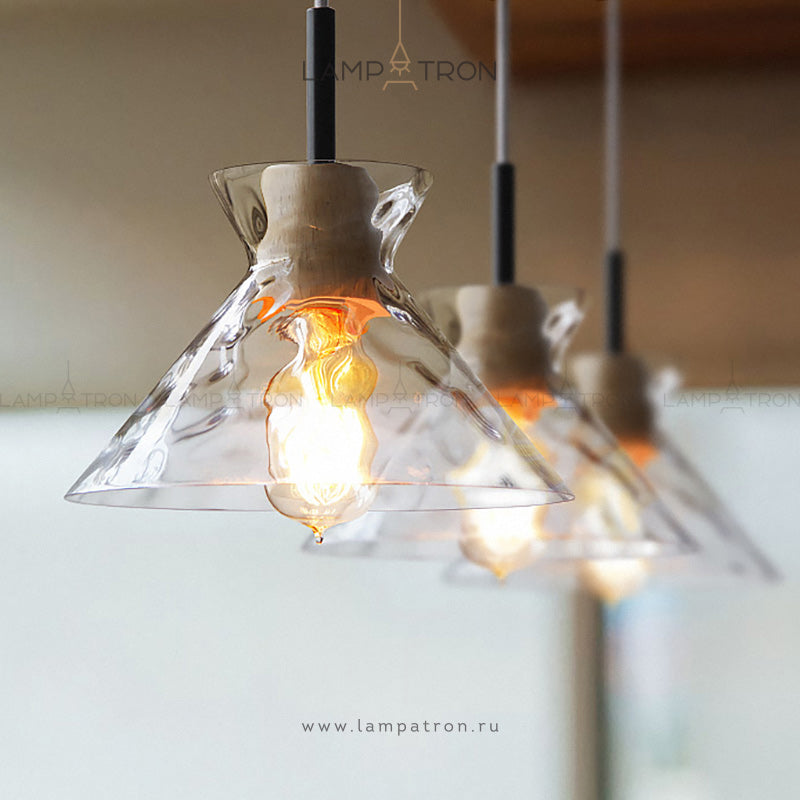
Pendant Lights: Typically feature a single bulb, suspended from a single point, often used for focused or accent lighting.
-
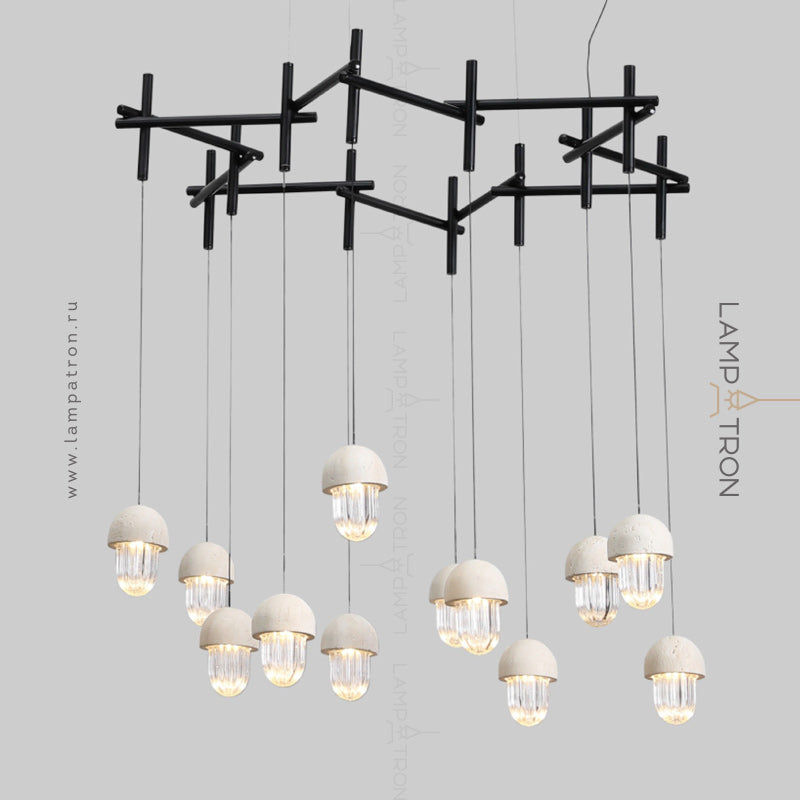
Chandeliers: Feature multiple arms and bulbs, creating a more ornate, symmetrical lighting source designed to illuminate larger areas.
Understanding this difference allows for better application within the broader lighting hierarchy of your space.
Placement and Installation Tips
Height and Spacing Are Critical
Proper placement ensures your pendant light enhances rather than disrupts the room’s flow:
-
Over a dining table: Hang the bottom of the fixture approximately 75–90 cm above the table surface.
-
In kitchens or bars: Multiple pendants should be spaced 60–75 cm apart for even lighting and balance.
-
In open areas: Ensure pendants are high enough to avoid obstructing sightlines, but low enough to anchor the space visually.
Where multiple pendants are used, keep consistency in mounting height, spacing, and alignment to maintain design cohesion.
In conclusion, pendant lighting is one of the most adaptive and expressive tools in interior design. It blends form with function, art with utility. Whether you're illuminating a work surface, adding ambiance to a living room, or defining space within an open floor plan, pendant lights offer both practical brilliance and aesthetic depth. Their clean suspension and rich stylistic range ensure they remain timeless additions to homes that seek clarity, warmth, and visual intention.