
Pendant lighting is a versatile design tool, offering both function and style. It casts ambient warmth, defines zones, and enhances interiors across various settings. In the UAE, where luxury meets cultural refinement, choosing the right pendant is an art of balance—scale, material, and placement all matter.
This guide helps you select pendant lighting that suits your space, reflects your style, and aligns with regional aesthetics—whether for a hotel lobby or a private majlis.
Understanding the Fundamentals of Pendant Lighting
Form, Function, and Spatial Impact
Pendant lights are suspended lighting fixtures that hang from the ceiling by a rod, cord, or chain. They vary significantly in design—from minimal, single-bulb pendants to intricate cluster arrangements. When selecting a pendant, it's critical to evaluate:
-
Purpose of the light (ambient, task, or accent)
-
Proportions of the space
-
Interior design style
-
Light distribution and direction
-
Mounting height and clearance
The choice of material and shade type also greatly influences how the light behaves. For example, an opaque metal shade concentrates light downward, ideal for task-oriented zones like kitchen islands. In contrast, fabric or glass diffusers cast a softer glow, well-suited for bedrooms or lounges.
Where to Use Pendant Lights: Applications by Space
Bar and Lounge Areas: Sculptural Lighting with Bold Character
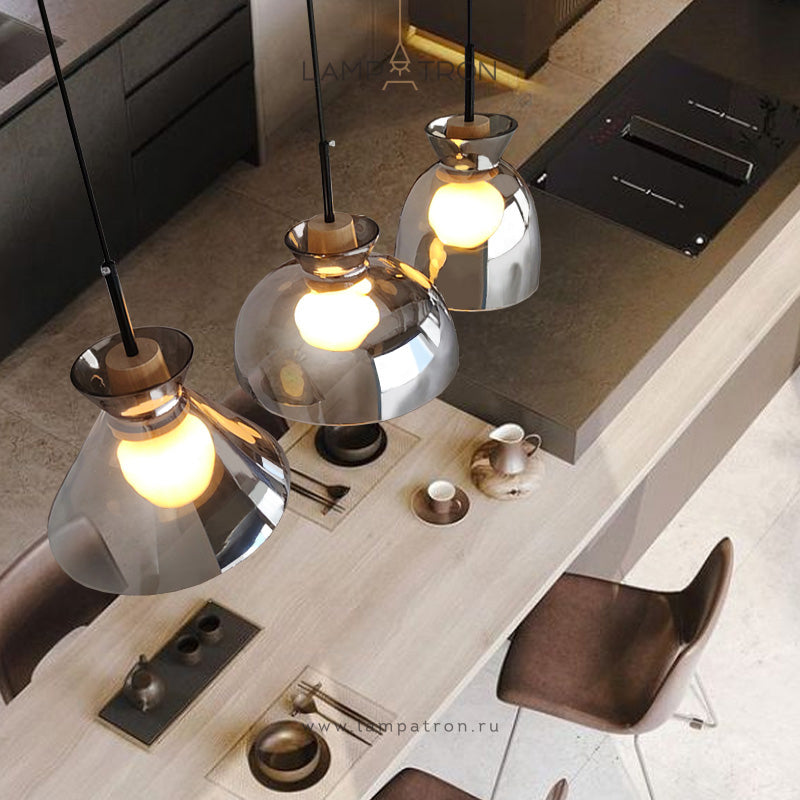
In social settings such as private lounges or home bars, pendant lights help establish mood and identity. Consider artistic, multi-light installations or sculptural forms that capture attention and reflect the energy of the space. Clustered pendants, asymmetrical arrangements, and smoked glass finishes lend an elevated, cosmopolitan atmosphere—particularly suitable for upscale venues or statement-making home interiors.
Hotel Receptions: Architectural Elegance Meets Hospitality
First impressions are paramount in hotel design. Pendant lighting in reception areas should harmonize with the lobby's architecture while offering soft, inviting illumination. Opt for minimalist crystal pendants, layered compositions, or large-scale fixtures with diffused light to communicate refinement and welcome. The interplay of shadow and glow can subtly emphasize design details while enhancing spatial grandeur.
Living Rooms: Versatile Focal Points with Visual Depth
Living room pendants must strike a balance between functionality and visual presence. Fixtures with contemporary geometry, metallic finishes, or intricate patterns can serve as focal points above central seating arrangements. In high-ceilinged Gulf villas, large pendants or cascading forms add dimension and proportion. To maintain warmth, consider fixtures with dimmable options or integrated diffusers for layered ambience.
Bedrooms: Tranquility Through Gentle Illumination
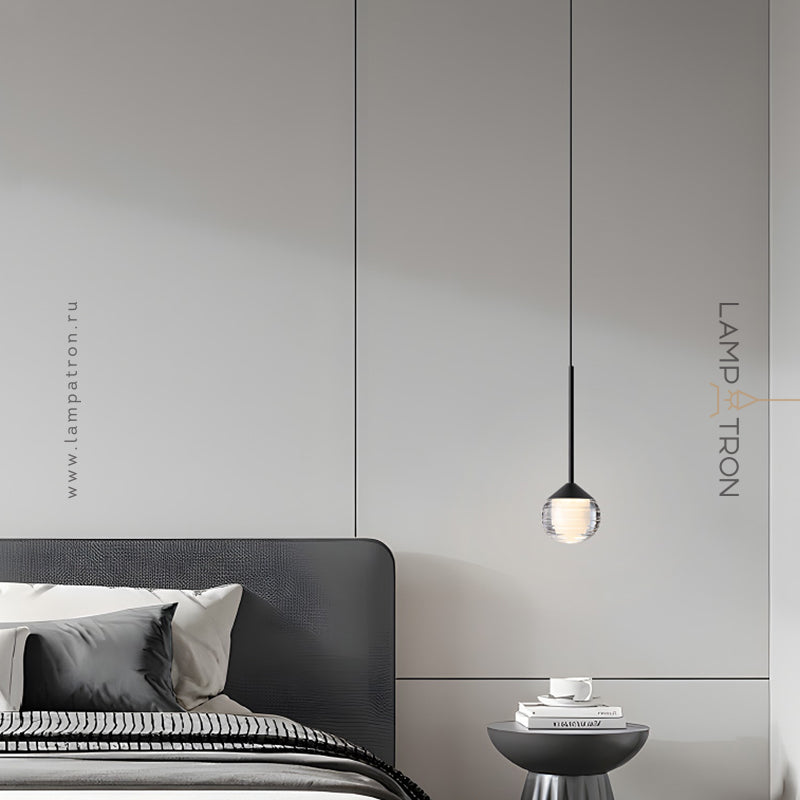
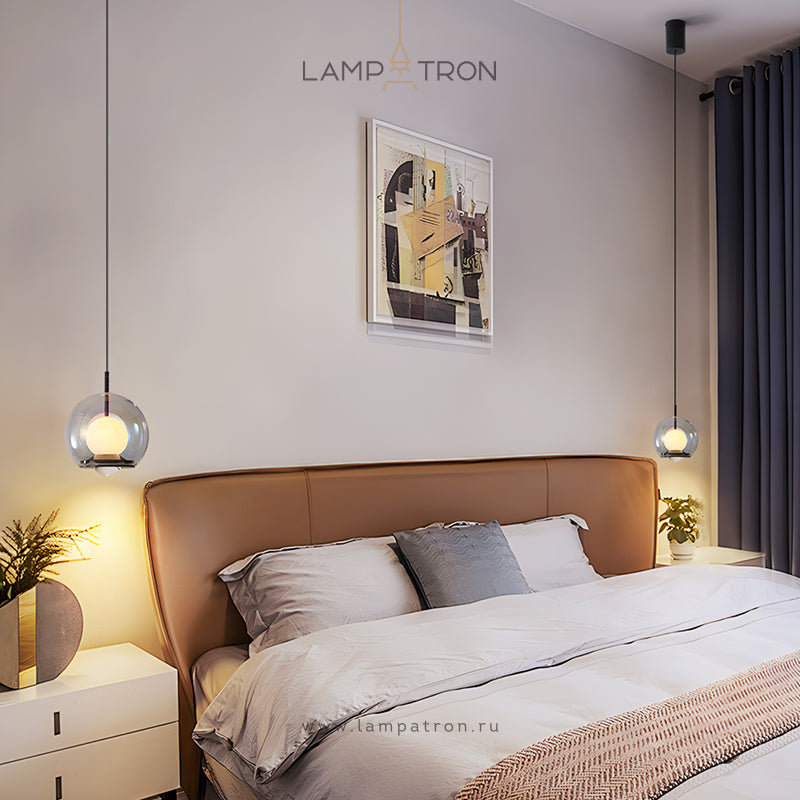
In a bedroom, lighting should support restfulness and comfort. Suspended pendant lights on either side of the bed offer a sophisticated alternative to table lamps, freeing up space while introducing symmetry. Choose materials like linen, opal glass, or matte finishes in soft tones. Adjustable brightness and directional light features allow for flexibility, from evening reading to subdued relaxation.
Kitchens: Precision and Performance in Lighting Design
The kitchen requires a blend of ambient and task lighting. Pendants are often installed above islands or counters, where focused illumination is essential. Choose fixtures with directional light, clear sightlines, and finishes that complement cabinetry or countertops. Linear pendants or groupings of small fixtures can maintain balance while ensuring even light distribution. Chrome, brass, and matte black are popular choices for modern kitchen palettes in the region.
Dining Rooms: The Art of Proportion and Atmosphere
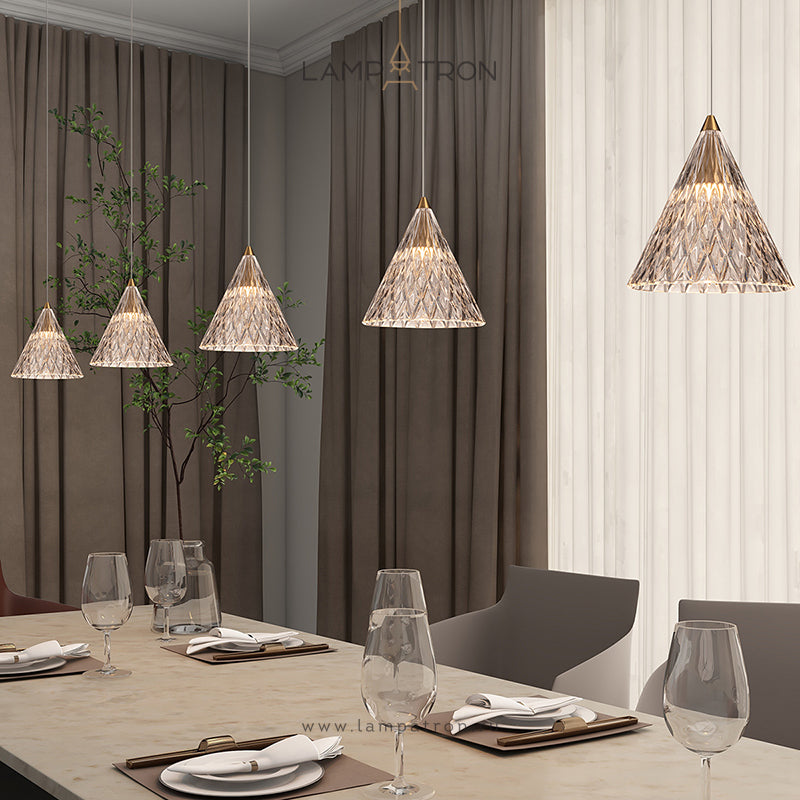
Pendant lighting above a dining table not only highlights the setting but defines the entire dining experience. Select fixtures that match the scale and shape of the table—long, rectangular tables suit linear arrangements; round tables pair well with centralized single pendants or clustered forms. Warm colour temperatures and dimmable options create a cozy, inviting dining ambiance. Materials like alabaster, frosted glass, or bronze add timeless appeal and textural richness.
Exploring Pendant Lighting Styles
Farmhouse: Rustic Charm with Organic Warmth
Farmhouse-style pendants typically incorporate wood, distressed metals, and vintage details. These designs suit interiors that embrace texture, comfort, and a lived-in feel—often seen in desert-inspired or retreat-style UAE homes.
Modern: Streamlined Forms with Refined Minimalism
Modern pendant lighting is characterized by clean lines, neutral finishes, and understated elegance. Perfect for contemporary villas or high-rise residences, these fixtures blend effortlessly into sleek, uncluttered interiors.
Traditional: Classic Silhouettes and Ornamental Detail
Traditional pendants exude timelessness, often featuring intricate metalwork, layered textures, and warm finishes. They suit formal reception areas or homes with neoclassical or Arabic-inspired décor.
Industrial: Raw Materials and Urban Edge
With their exposed bulbs, iron detailing, and utilitarian charm, industrial pendants bring a bold contrast to polished interiors. Their rugged aesthetic works particularly well in converted spaces or as accent pieces in eclectic settings.
Japanese Wabi-Sabi: Subtle Imperfection and Natural Harmony
Rooted in simplicity and nature, Wabi-Sabi pendants use bamboo, paper, or clay materials to convey serenity. Their irregular forms and muted palettes are ideal for creating peaceful retreats or spa-like bedroom environments.
Vintage and Steampunk: Narrative Lighting with Character
Vintage pendants often reflect mid-century or early 20th-century styles, using aged brass, fluted glass, and detailed hardware. Steampunk variations go further, merging mechanical inspiration with Victorian flair—ideal for interiors that embrace personality and storytelling.
Key Considerations When Selecting a Pendant Light
Beyond Style: Functionality and Integration
-
Scale and Proportion
Ensure the fixture complements the size of the room and surrounding furniture. Oversized pendants can overwhelm small spaces, while undersized ones may lose impact in expansive interiors. -
Mounting Height
Adjust height based on application:-
Dining tables: 75–90 cm above the tabletop
-
Kitchen islands: ~80–100 cm above the surface
-
Bedrooms: aligned with or slightly above eye level for bedside applications
-
-
Light Output
Choose the right bulb type, lumens, and shade material based on whether the pendant is providing ambient, task, or accent lighting. -
Finish and Material Coordination
Match or thoughtfully contrast pendant finishes with architectural elements, hardware, or furniture to maintain visual cohesion. -
Control Options
Incorporate dimmers or smart lighting systems to enhance versatility and mood control throughout the day.
Conclusion: Designing with Light, Elegantly
Pendant lighting is not merely decorative—it’s an architectural tool that shapes atmosphere, directs flow, and enhances daily experience. In the UAE’s luxury interiors, where materiality and ambiance are central to design, the right pendant fixture becomes both a statement and a solution.
By understanding the functional needs of each space, aligning with stylistic preferences, and considering regional aesthetics, pendant lighting transforms from a utility into an expression of curated living. Whether your design leans toward understated minimalism, traditional grandeur, or bold artistic expression, there is a pendant light that embodies your vision—delivering light, beauty, and balance in equal measure.