
In the world of interior lighting, few fixtures evoke both nostalgia and elegance quite like the swag lamp. Since its emergence in the 1950s, this distinctively suspended lighting form has transcended eras and aesthetics, embodying a relaxed sophistication that continues to resonate in contemporary design—particularly in the Gulf region, where ornamental lighting holds deep cultural significance.
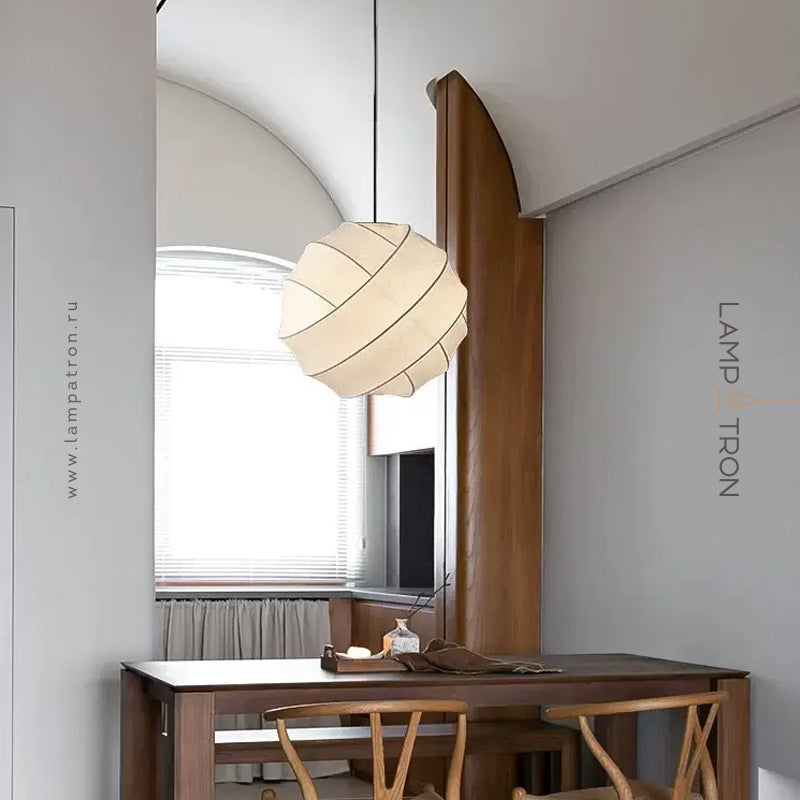
The Mid-Century Origins of the Swag Lamp
A Design Icon Born in an Era of Change
The swag lamp gets its name from the way it drapes from the ceiling, suspended by a chain, cord, or rope that forms a graceful arc before plugging into a wall outlet. This distinctive look set it apart from fixed ceiling lights and gained attention in the mid-20th century.
Rising to popularity in the 1960s, swag lamps embodied mid-century modern design—informal yet elegant, functional yet sculptural. Before adjustable track lighting, they offered a flexible, stylish solution for illuminating residential spaces.
The Design Language of Swag Lamps
A Balance Between Artistry and Practicality
Swag lamps have grown beyond their utilitarian origins, now available in styles ranging from vintage globe shades to sleek glass pendants and chandelier-inspired designs. This versatility suits a wide range of interiors.
With a long, textile or chain-wrapped cable and plug-in functionality, swag lamps are perfect where hardwiring isn’t feasible. Their adjustable drop adds flexibility, making them ideal for everything from coastal lounges in Abu Dhabi villas to boho flats in Dubai’s creative hubs.
Depending on material, scale, and finish, a swag lamp can either blend in or become a standout feature in any space.
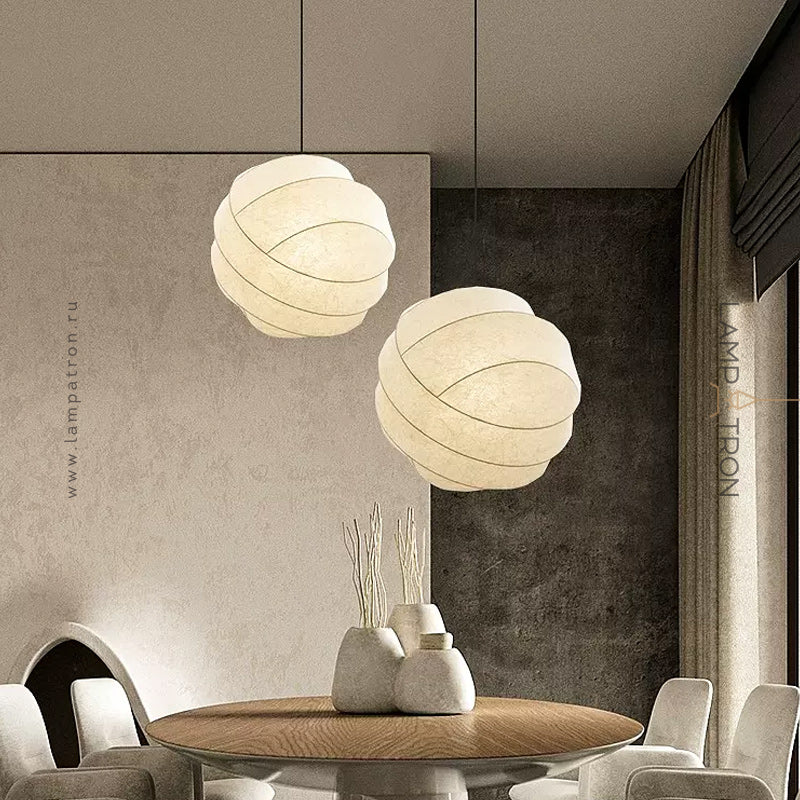
How to Style Swag Lamps in Modern Interiors
Thoughtful Placement and Design Cohesion
In a region like the UAE—where architectural interiors often feature expansive spaces, high ceilings, and a blend of heritage and modernism—swag lamps can act as an expressive bridge between eras. Below are refined ways to incorporate them into your home’s lighting strategy:
-
Choose the Right Location: Swag lamps thrive in curated spaces. Suspend one over a majlis seating area for an ambient glow, or place it beside a window nook to create a contemplative reading corner. In open-plan interiors, they can define zones with their warm pools of light.
-
Layer Light Sources: Use swag lamps to complement ambient lighting such as recessed ceiling lights or wall sconces. Their directional quality can highlight art pieces, accent furniture, or textured walls, contributing to a layered, multidimensional atmosphere.
-
Play with Suspension Heights: One of the unique strengths of a swag lamp is its adjustable length. Lowering the fixture over a dining table or raising it in a hallway can help create visual interest while catering to spatial proportions.
-
Reflect Your Aesthetic: Material and design selection matter. In modern Emirati interiors, a translucent glass shade adds a breezy, ethereal quality that works beautifully in coastal settings, while hammered metal or smoked finishes lend themselves to more grounded, traditional environments.
-
Balance and Symmetry: Consider using a pair of matching swag lamps on either side of a bed or flanking a statement mirror to achieve visual harmony. This not only enhances illumination but also brings architectural rhythm to your space.
A Fixture That Transcends Time and Trend
Swag lamps are more than mere light sources—they are cultural artifacts that speak to an era of daring creativity and unpretentious luxury. Their staying power lies in their duality: at once casual and refined, nostalgic yet versatile. In the context of the UAE’s dynamic interior landscape—where global design intersects with regional sensibilities—the swag lamp finds new resonance.
Whether illuminating an understated alcove in Sharjah or accentuating a dramatic entryway in a Dubai penthouse, the swag lamp remains a timeless accent. It offers not only illumination but a sculptural presence—an elegant testament to the enduring dialogue between function and form.