
Lighting is one of the most powerful tools in interior design—not just in shaping the aesthetics of a space, but in influencing how we feel within it. Among the many facets of lighting design, the role of warm lighting stands out for its profound psychological and emotional effects. In a region like the UAE, where modern interiors balance luxury with comfort, understanding the principles of warm lighting is essential for curating refined, mood-enhancing environments.
Why Warm Lighting Matters
The emotional resonance of light
Warm lighting transcends mere visual function. It plays a critical role in how a space is experienced emotionally. Our biological relationship with light is deeply rooted in the rhythms of the natural world. Historically, human circadian cycles were closely aligned with the rise and fall of sunlight—bright, cool light at dawn invigorated us, while the softer amber tones of dusk signaled rest and relaxation.
Despite technological advancements and artificial illumination, our bodies still respond to these same lighting cues. Warm light, with its yellow-white hue, mimics the gentle glow of evening light or firelight. It fosters a sense of tranquillity, warmth, and intimacy—qualities that are vital in residential design, particularly within private or social spaces.
The Science Behind Warm Lighting
Colour temperature and its impact
Lighting is often measured in kelvins (K), which denotes the colour temperature of the light source. The lower the kelvin value, the warmer and more amber-toned the light appears. Warm lighting typically falls within the 2,700K to 3,000K range—emitting a golden, comforting glow.
-
2,700K: Soft amber-white light, ideal for creating a deeply relaxed ambience.
-
3,000K: A touch brighter but still warm, often used in living areas and bedrooms for balanced comfort.
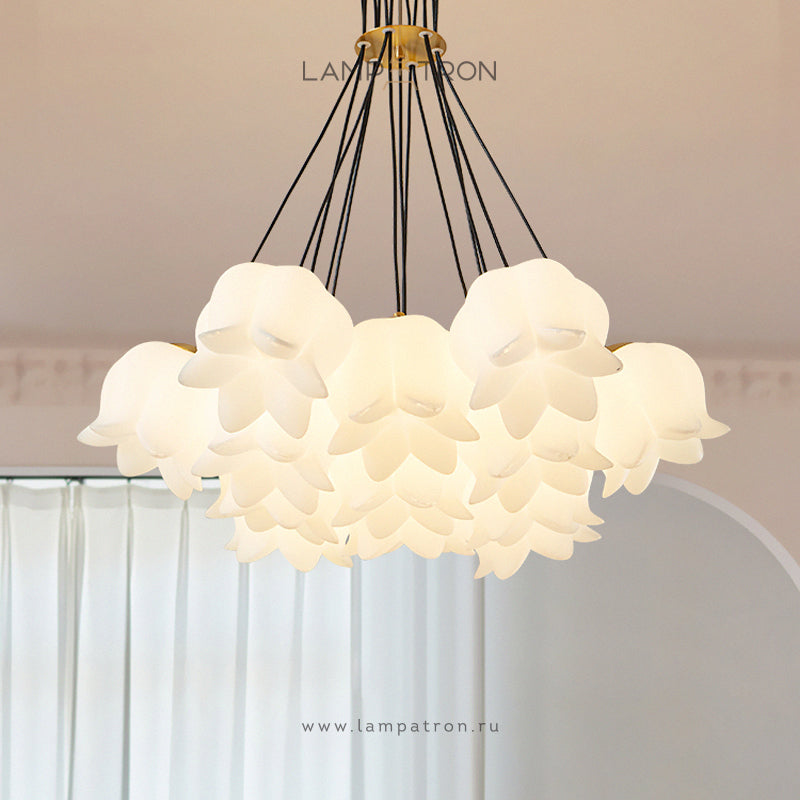
This warm spectrum enhances materials such as wood, stone, and fabric, drawing out their textures and creating a cocooning atmosphere. It also flatters skin tones, making it a popular choice for hospitality-inspired residential interiors across the Gulf region.
Where Warm Lighting Works Best
Designing with intention for comfort
While cooler lighting has its place in areas that demand clarity and focus—such as kitchens, bathrooms, and offices—warm lighting is essential in spaces where relaxation, socialising, or contemplation occur. In high-end interior design, layering warm lighting is key to achieving both functionality and emotional resonance.
-
Living Rooms: Use warm ambient lighting through ceiling fixtures, paired with accent lamps or wall sconces for depth and dimension.
-
Bedrooms: Opt for soft bedside lighting that encourages winding down and supports circadian rhythms.
-
Dining Rooms: Pendant lighting with a warm tone enhances the dining experience, creating a setting that feels both intimate and elevated.
-
Majlis and Sitting Areas: Warm light fosters hospitality and serenity, aligning with regional cultural values around welcoming and gathering.
Creating Atmosphere with Lighting Temperature
Techniques to achieve a cohesive, warm environment
To design a space that feels consistently inviting, consider integrating various lighting sources at different levels:
-
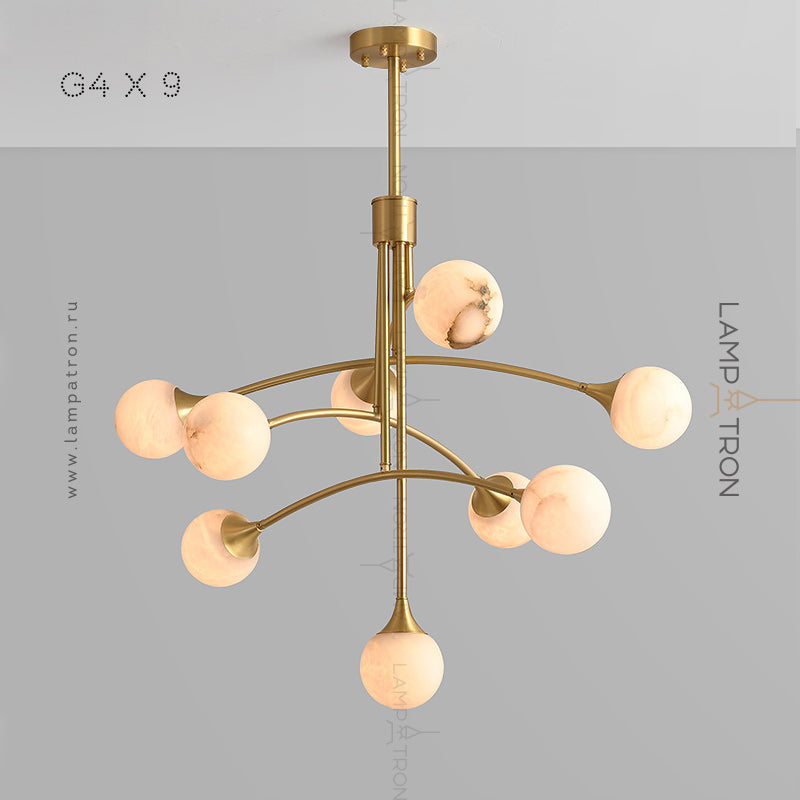
Overhead fixtures should provide broad ambient light with a warm temperature.
-
Task lighting, such as floor or table lamps, can be added for reading or focused activities.
-
Accent lighting, including LED strips or under-shelf illumination, brings subtlety and layers to architectural features or décor.
For ultimate control, dimmable warm lighting allows for fine-tuning the ambiance throughout the day. This is especially important in the Gulf, where interiors must remain functional and soothing despite fluctuating natural light conditions caused by seasonal shifts or architectural shading.
The Lasting Influence of Warm Lighting
Comfort, luxury, and human-centered design
In the landscape of contemporary interior design, particularly in luxury homes throughout the UAE, warm lighting is more than a stylistic preference—it is a human-centered necessity. It bridges the gap between elegance and comfort, between visual beauty and emotional well-being.
By thoughtfully incorporating warm lighting into living spaces, designers and homeowners alike can craft interiors that not only look exquisite but feel deeply nurturing. As the sun sets and city lights begin to glow, it is the subtle warmth within our homes that welcomes us inward—quietly reminding us that luxury is as much about how we feel as it is about what we see.